
Ready for immediate shipment, delivery time: 1-3 days, abroad + bulky goods longer delivery time
Ready for immediate shipment, delivery time: 1-3 days, abroad + bulky goods longer delivery time
Ready for immediate shipment, delivery time: 1-3 days, abroad + bulky goods longer delivery time
Ready for immediate shipment, delivery time: 1-3 days, abroad + bulky goods longer delivery time
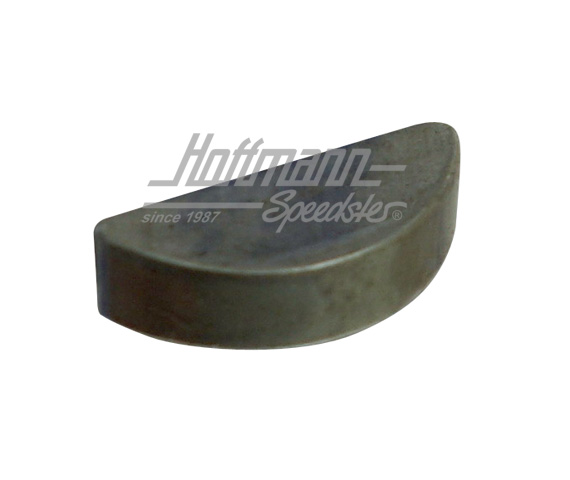
Ready for immediate shipment, delivery time: 1-3 days, abroad + bulky goods longer delivery time
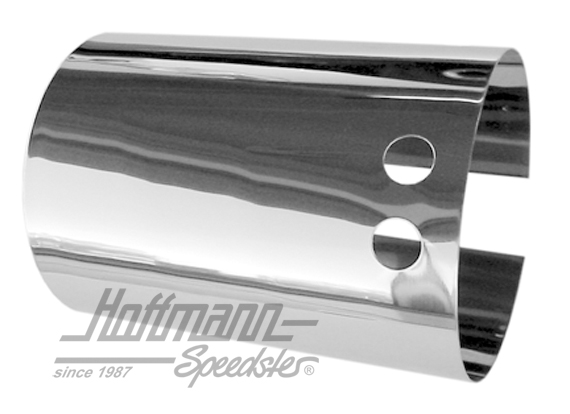
Ready for immediate shipment, delivery time: 1-3 days, abroad + bulky goods longer delivery time
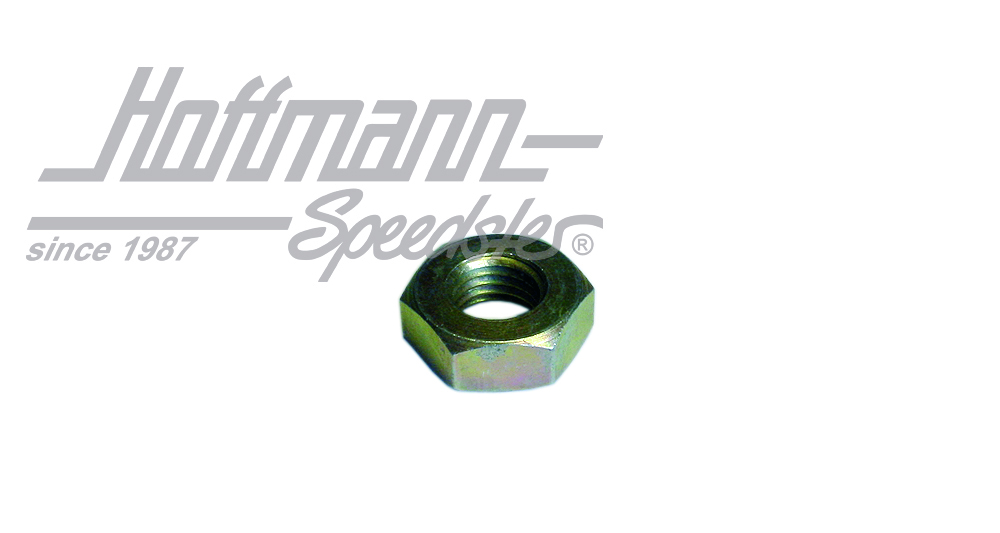
Ready for immediate shipment, delivery time: 1-3 days, abroad + bulky goods longer delivery time
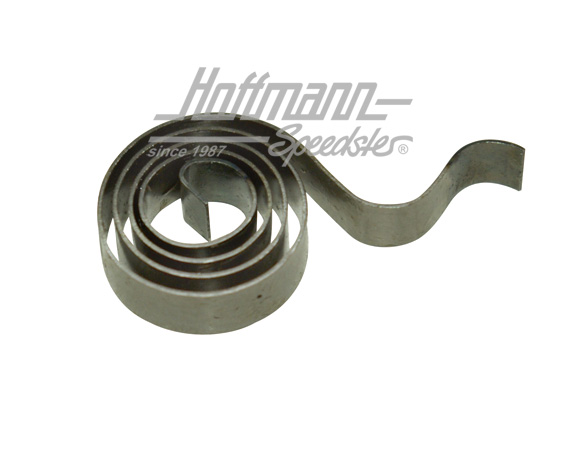
Ready for immediate shipment, delivery time: 1-3 days, abroad + bulky goods longer delivery time
Ready for immediate shipment, delivery time: 1-3 days, abroad + bulky goods longer delivery time
Ready for immediate shipment, delivery time: 1-3 days, abroad + bulky goods longer delivery time
Ready for immediate shipment, delivery time: 1-3 days, abroad + bulky goods longer delivery time
Ready for immediate shipment, delivery time: 1-3 days, abroad + bulky goods longer delivery time
Ready for immediate shipment, delivery time: 1-3 days, abroad + bulky goods longer delivery time
Ready for immediate shipment, delivery time: 1-3 days, abroad + bulky goods longer delivery time
Currently not available
Ready for immediate shipment, delivery time: 1-3 days, abroad + bulky goods longer delivery time
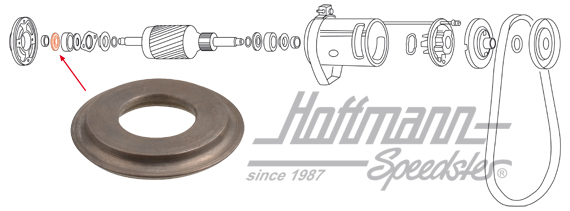
Alternator and attachments for the Typ 3
Alternator (generator) and mounting components for the VW Type 3 – detailed overview
The category “alternator and mounting components for the VW Type 3” includes all parts responsible for generating, regulating, and transferring electrical power in the vehicle. The alternator supplies the electrical system while the engine is running and keeps the battery charged.
In the VW Type 3, this system is a core part of electrical reliability and is often upgraded or replaced during restoration.
What components are included?
The system consists of several coordinated parts:
1. Alternator (generator)
converts mechanical engine energy into electrical power
supplies the vehicle’s electrical system while driving
charges the battery
available in earlier DC generator versions or modern alternator (AC) systems
The alternator is the central component of the charging system.
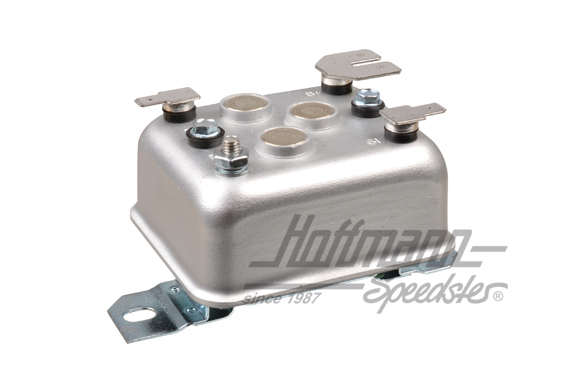
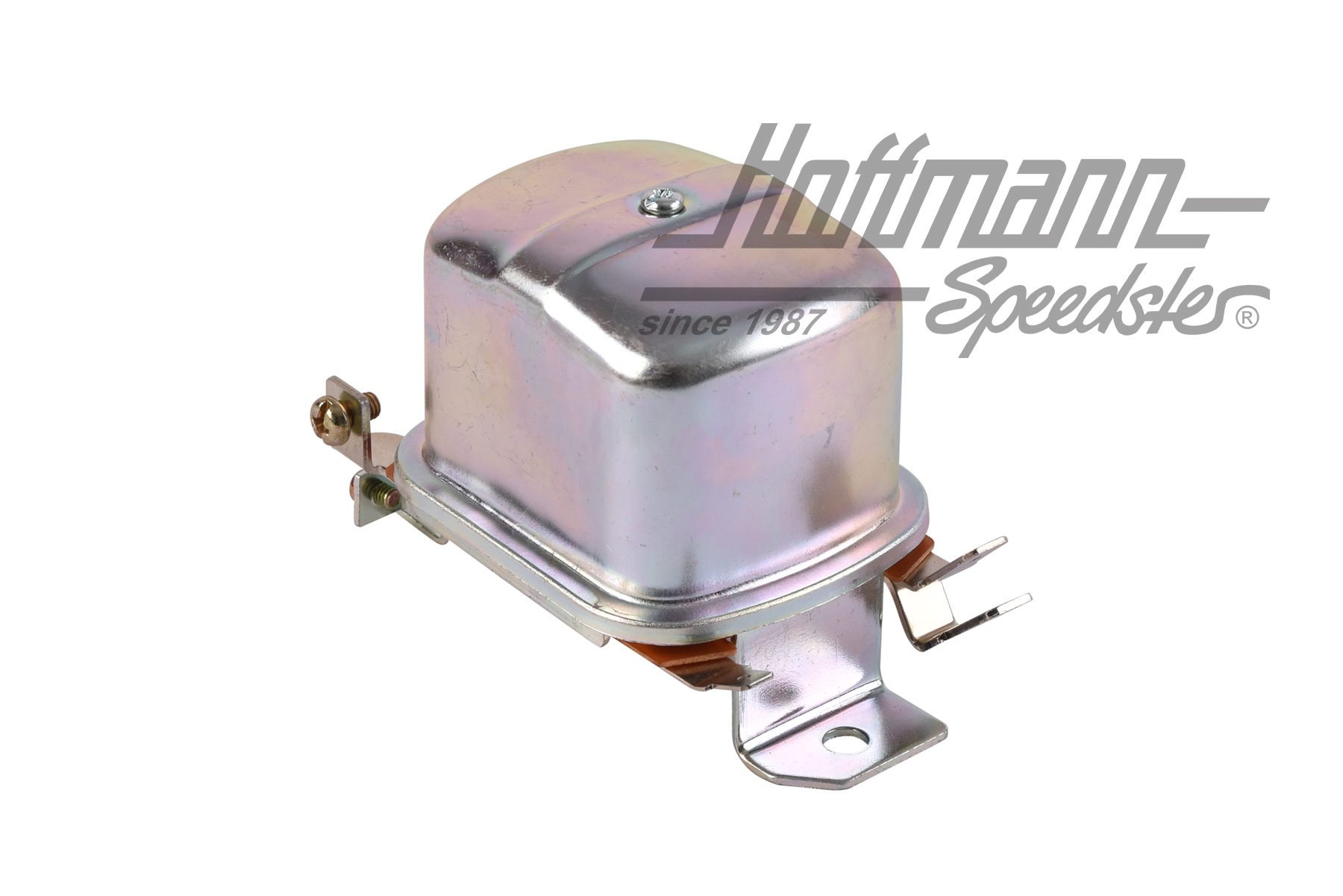
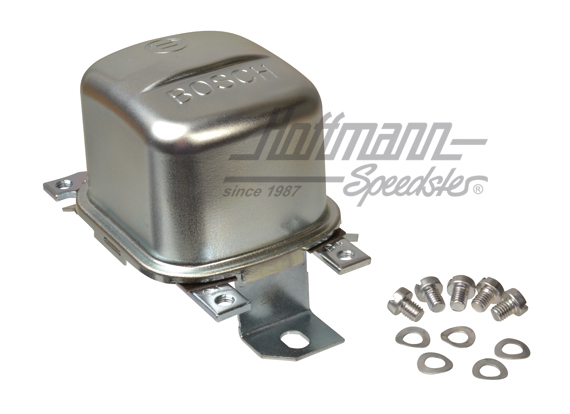
2. Voltage regulator
stabilizes electrical output voltage
protects battery and electrical components from overcharging
may be external (older systems) or integrated (modern alternators)
ensures consistent electrical performance
3. Pulley (generator pulley)
transfers engine power via the V-belt
determines alternator speed
available in different sizes and designs
must be correctly aligned for proper belt tracking
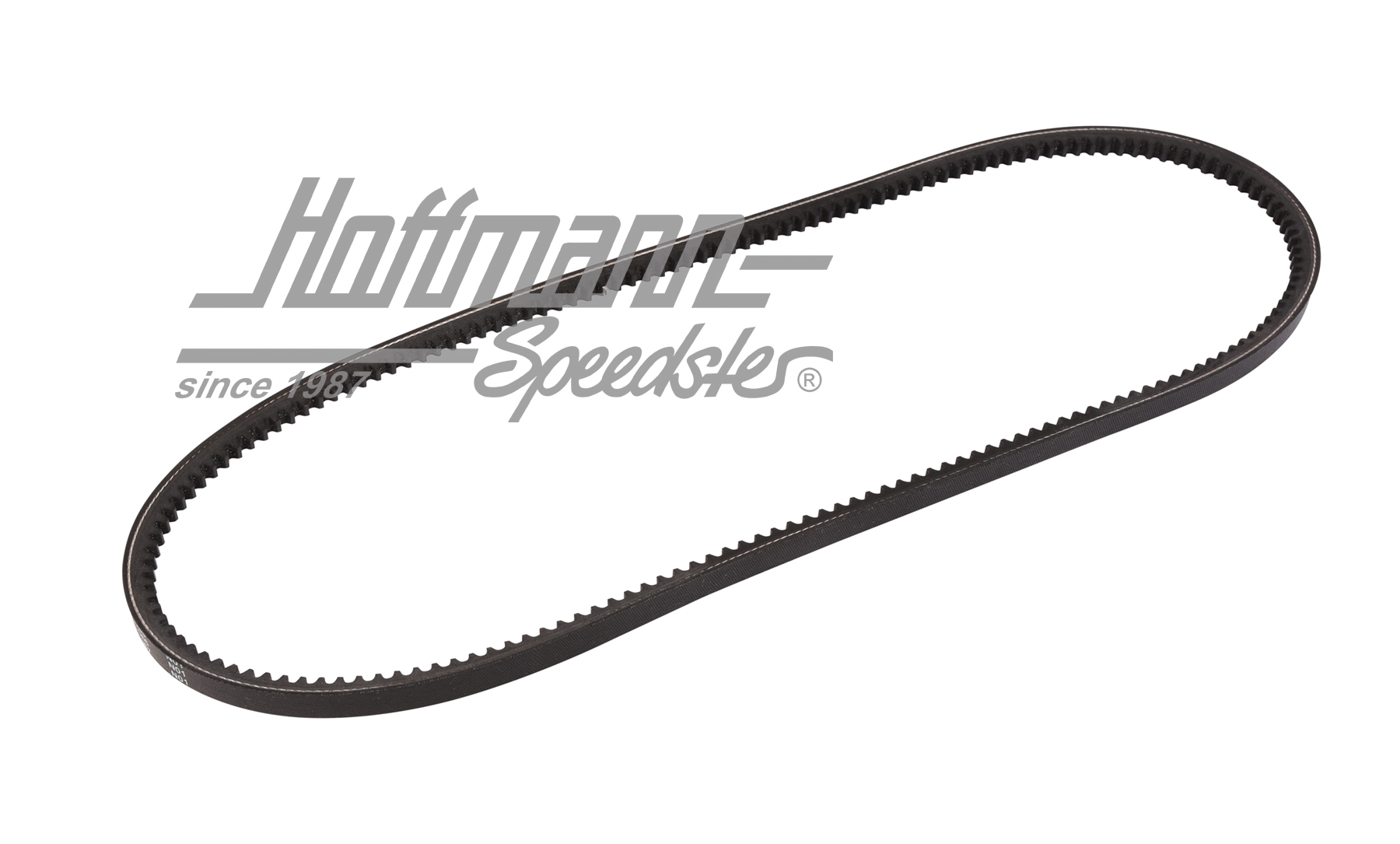
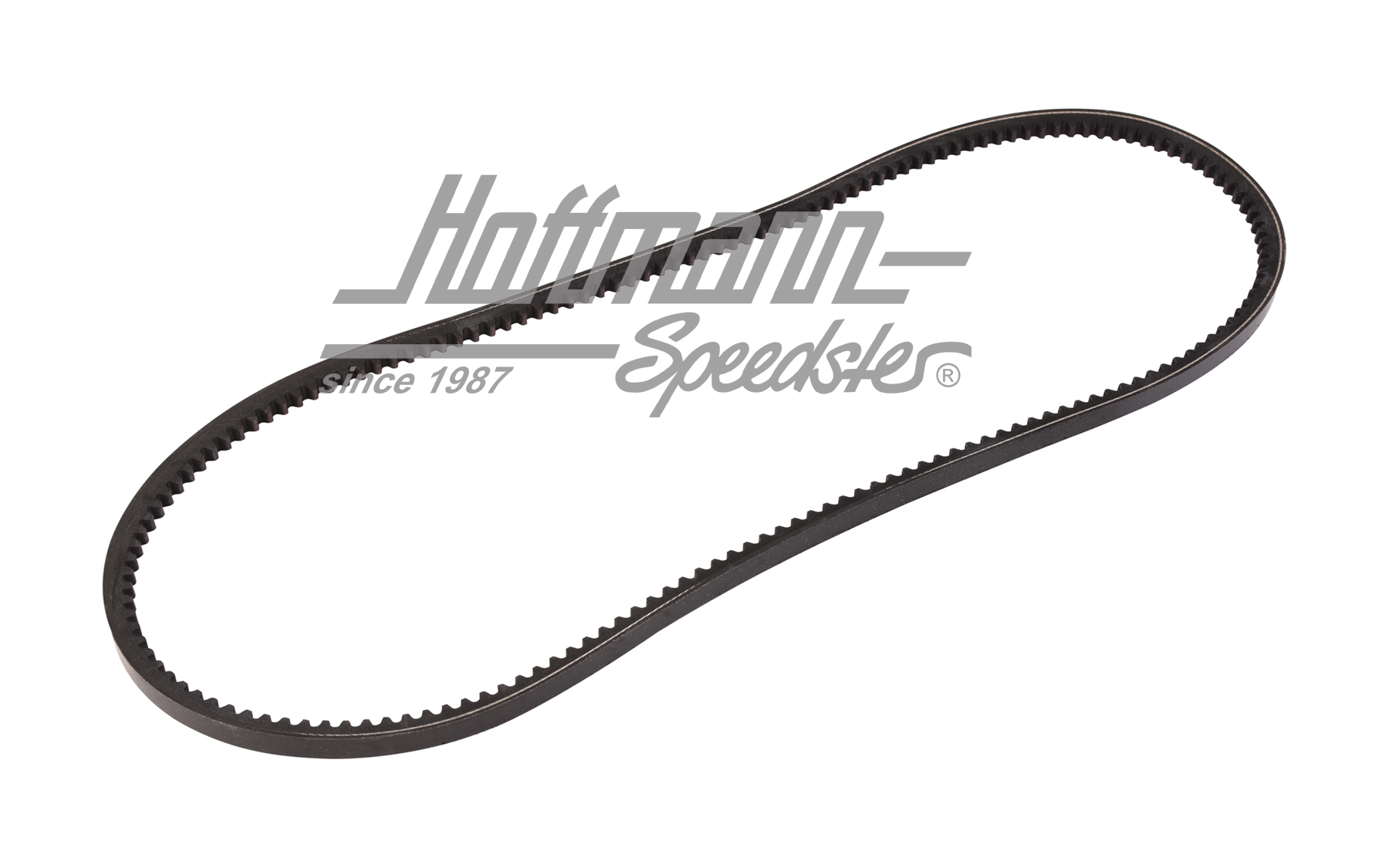
4. V-belt
connects engine and alternator
transfers mechanical energy
must be properly tensioned
a common wear-and-replacement item
5. Mounting brackets and hardware
alternator mounting arms and tensioning brackets
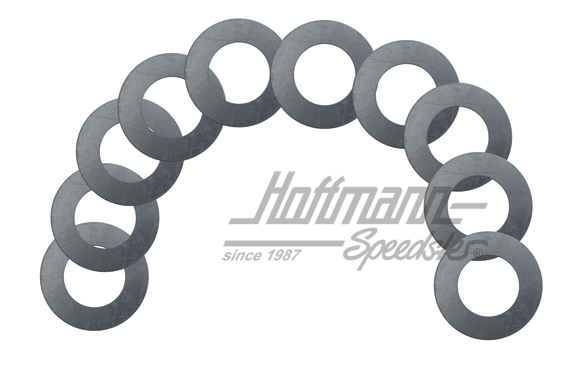
bolts, spacers, and adjustment shims
ensure correct alignment and stability
critical for smooth operation and belt life
6. Internal wear parts
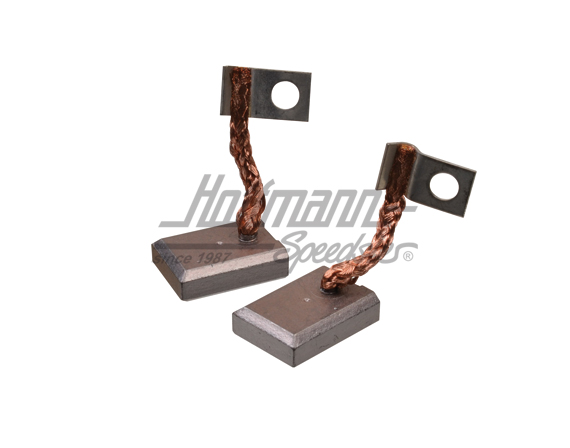
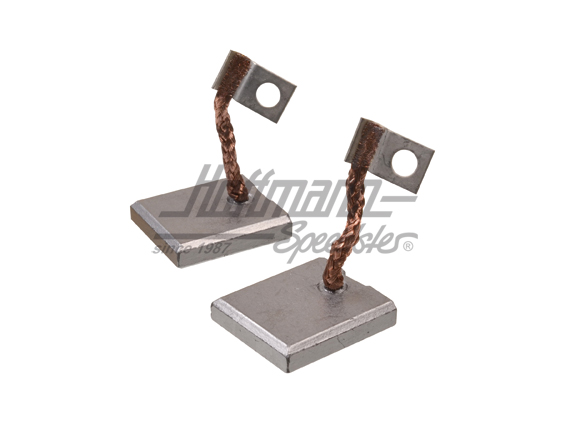
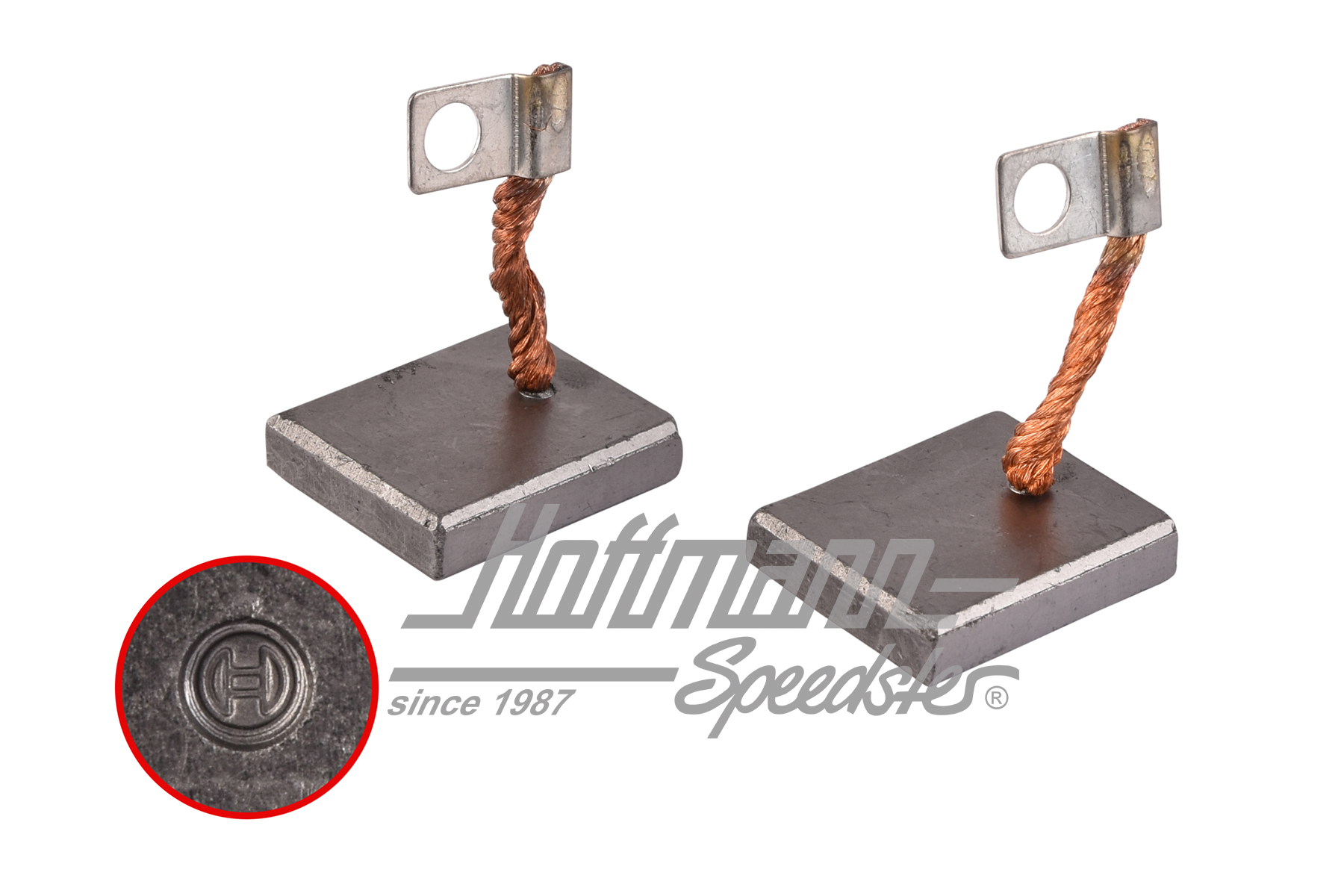
carbon brushes
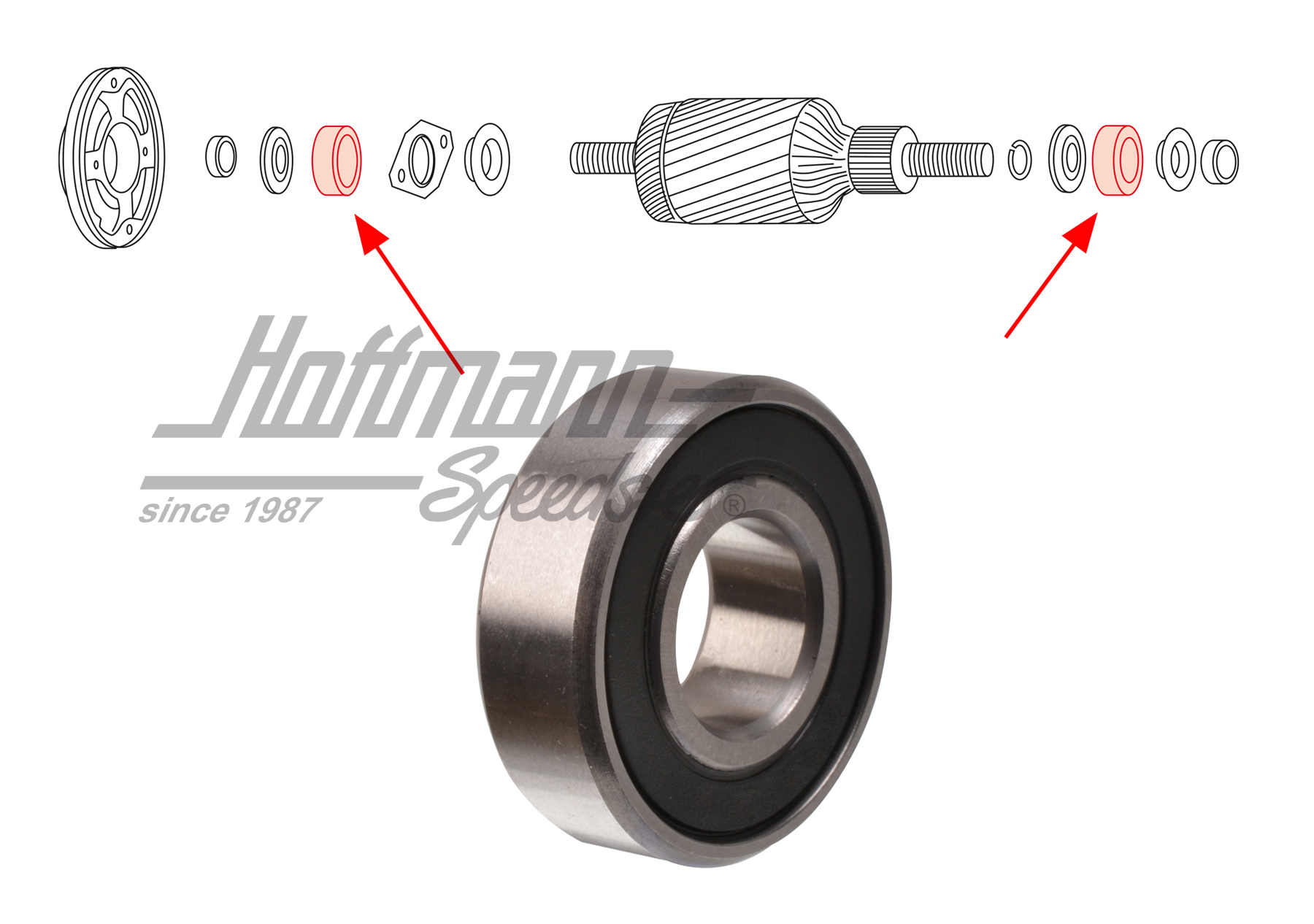
bearings and bushings
internal regulator or diode components (in alternators)
service items during rebuilds
7. Accessories and conversion kits
upgrades from DC generator to alternator
high-output 12V alternator kits
adapter brackets for different engine setups
improved charging systems for modern electrical loads
How the system works
The charging system operates in a simple cycle:
the engine drives the alternator via the V-belt
the alternator generates electrical current
the voltage regulator stabilizes output
the battery is charged and the vehicle’s electrical system is powered
This ensures continuous electrical supply while driving.
Common issues in older VW Type 3 systems
Typical age-related problems include:
worn carbon brushes
faulty voltage regulator
slipping or broken V-belt
low charging output
noisy or worn bearings
corroded electrical connections
These issues can lead to battery drain or electrical failure.
Importance in restoration
The alternator system is often replaced or upgraded because:
it directly affects electrical reliability
modern alternators provide higher output
additional electrical accessories require more power
older generator systems are less efficient
Many owners upgrade to modern alternator systems for better reliability.
Original vs. modern systems
Original DC generator: historically correct but less efficient
Modern alternator (AC system): higher output, more reliable, low maintenance
Conclusion – a key system for vehicle power supply
The VW Type 3 alternator and its mounting components are essential for maintaining the vehicle’s electrical system. They ensure that the battery stays charged and all electrical consumers receive stable power.
A well-functioning or upgraded charging system significantly improves reliability, especially in everyday use of a classic Volkswagen.