Ready for immediate shipment, delivery time: 1-3 days, abroad + bulky goods longer delivery time
Ready for immediate shipment, delivery time: 1-3 days, abroad + bulky goods longer delivery time
Ready for immediate shipment, delivery time: 1-3 days, abroad + bulky goods longer delivery time
Ready for immediate shipment, delivery time: 1-3 days, abroad + bulky goods longer delivery time
Ready for immediate shipment, delivery time: 1-3 days, abroad + bulky goods longer delivery time
Lettering/ Emblems for the Typ 3
Badges and lettering for the VW Type 3 – detailed description
The category badges and lettering for the VW Type 3 includes all exterior model designations, emblems, and inscriptions used to identify the vehicle. These small components may look minor at first glance, but they are essential for authentic appearance, model identification, and the classic Volkswagen design language.
On the VW Type 3, lettering is part of a very clean and structured design concept: subtle chrome details combined with clear model identification and balanced rear styling.
The role of lettering in the overall design
Badges and lettering are not just decorative elements—they are part of the car’s identity:
they define the exact model (e.g. 1500 or 1600)
they distinguish body styles such as Variant, Notchback, or Fastback
they indicate trim levels and version details
they visually complete the rear-end design
Especially at the rear, the lettering creates a strong visual focal point and reinforces the classic VW identity.
Typical lettering and badges on the VW Type 3
Depending on model year and specification, several types of emblems were used:
1. Model designations
“VW 1500”
“VW 1600”
“Type 3”
“Variant” (station wagon version)
These badges directly indicate engine size and body configuration.
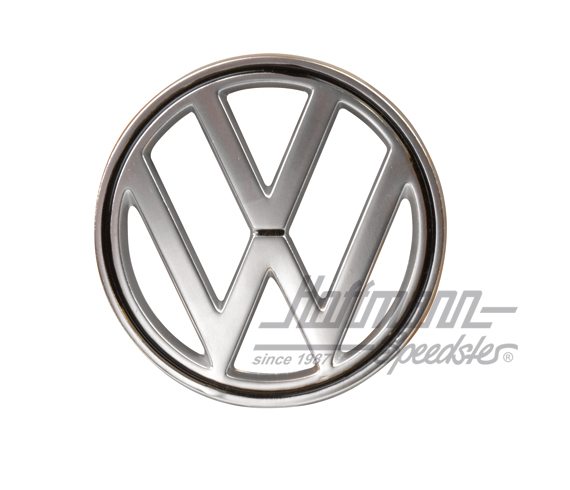
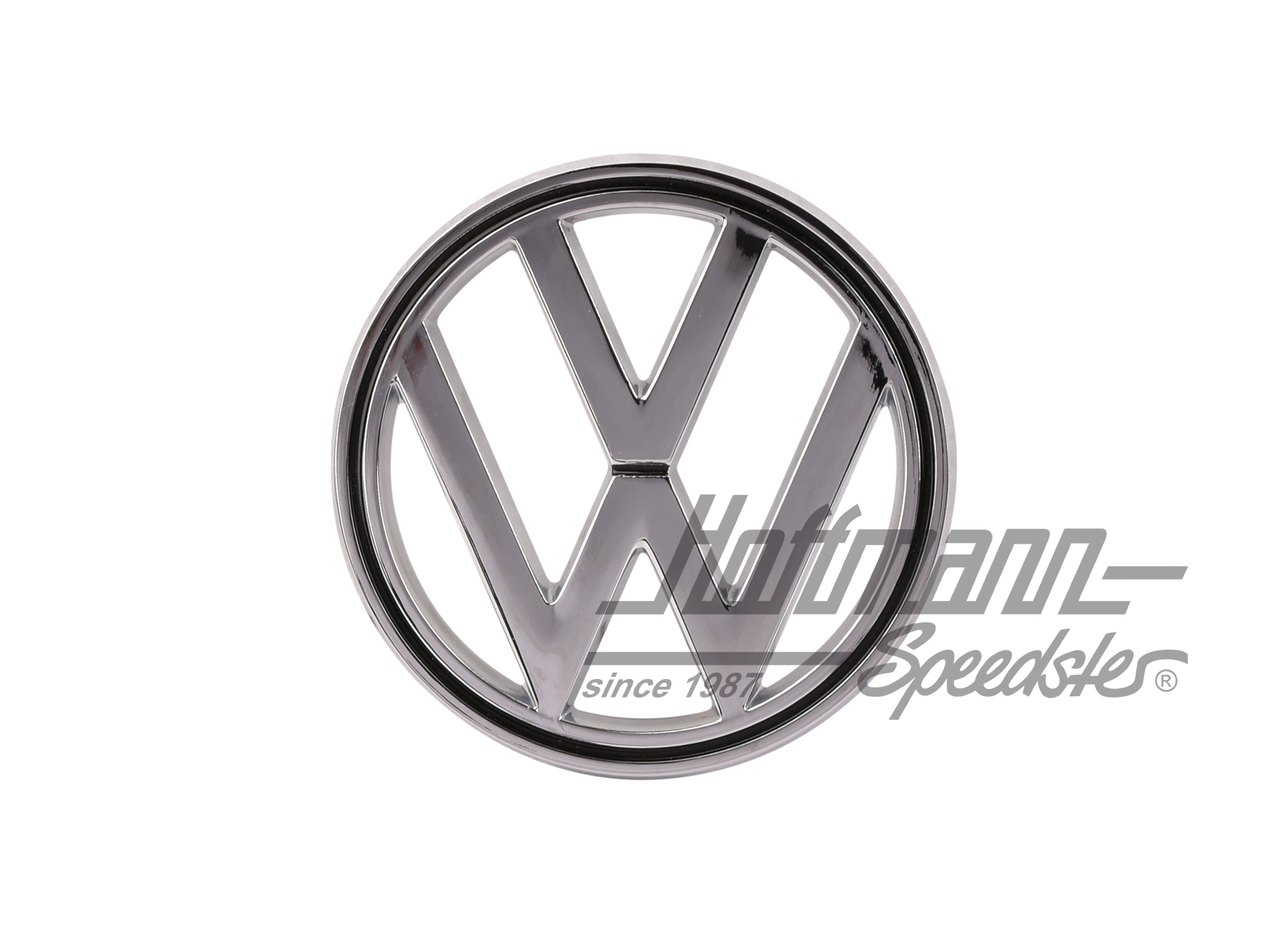
2. Volkswagen logos
classic VW round emblem
chrome VW badge
positioned on front or rear depending on model year
The VW logo is the core branding element and a key visual identifier.
3. Trim and version markings
S or L trim level designations
market-specific export badges
optional technical or equipment identifiers
These were especially common on export models.
4. Rear lettering as a design finish
individual chrome letters and numbers
precisely aligned emblem layouts
clean horizontal arrangement across the rear panel
Proper positioning is crucial for an authentic factory look.
Importance in restoration
During VW Type 3 restorations, lettering is almost always replaced because:
old badges lose chrome finish or corrode
mounting pins break or rust away
repainting requires new installation
original emblems are often incomplete or missing
New lettering is therefore essential for achieving a complete and correct restoration.
Materials and manufacturing
High-quality badges are typically made from:
chrome-plated metal or aluminum
stamped or cast lettering elements
black or silver infill depending on model
factory-accurate proportions and typography
pin-mounted or adhesive installation systems
Surface quality is especially important for the final visual impression.
Visual impact on the VW Type 3
Even though small, lettering has a strong visual effect:
it structures the rear design
reinforces model identity at a glance
enhances the classic Volkswagen character
adds balanced chrome detailing
completes the overall restoration look
Without lettering, a VW Type 3 often appears unfinished or generic.
Original parts vs. reproductions
There are two main options in restoration work:
Original parts: historically correct but often worn or rare
Reproductions: newly manufactured and visually very close to original
High-quality reproductions are often indistinguishable from originals while offering better durability.
Common issues with old badges
Over time, typical problems include:
faded or peeling chrome surfaces
broken mounting pins
missing letters or emblems
deformation from improper removal
These issues usually make replacement necessary.
Installation and alignment
Proper installation is critical for authenticity:
precise alignment on the rear panel
consistent spacing between letters
correct height and horizontal positioning
secure mounting without tension
Even small misalignments are easily noticeable on classic VW designs.
Conclusion – small details, major importance
The badges and lettering for the VW Type 3 are far more than simple identifiers. They are a key design element that defines model identity, historical correctness, and the classic Volkswagen aesthetic.
Only with correctly fitted lettering does the VW Type 3 feel complete, authentic, and true to its original 1960s–1970s character.