

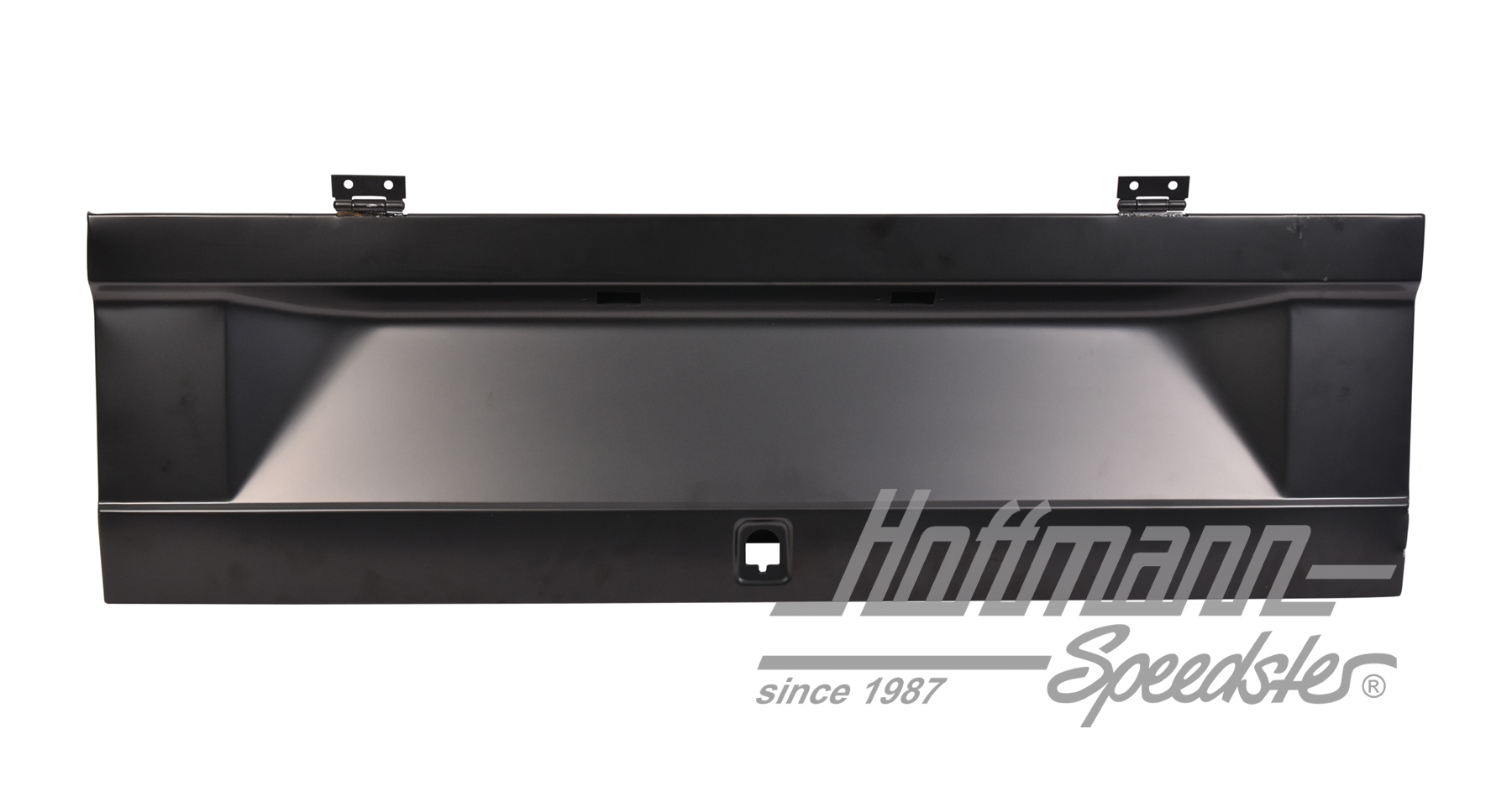
Ready for immediate shipment, delivery time: 1-3 days, abroad + bulky goods longer delivery time
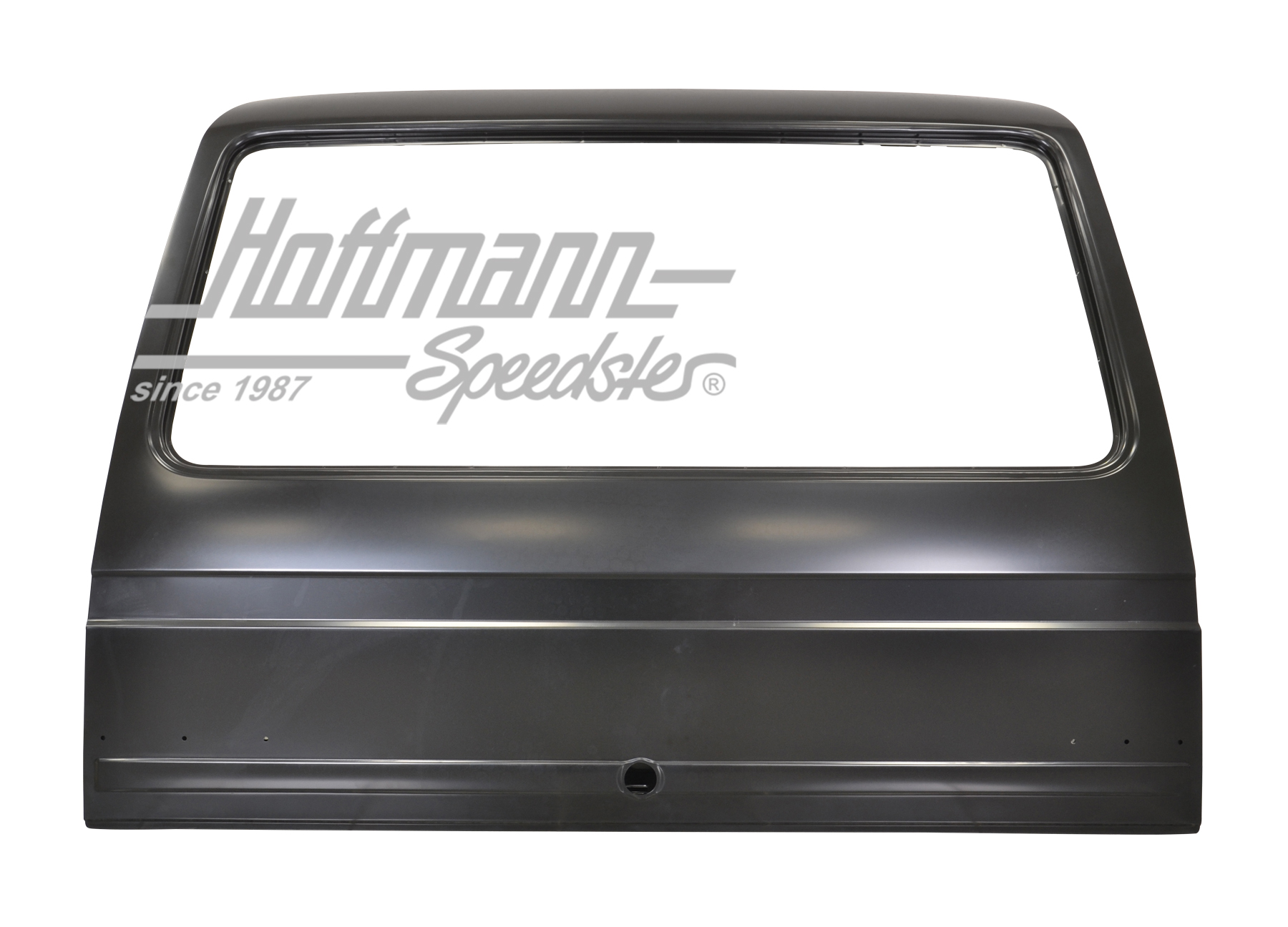
Currently not available
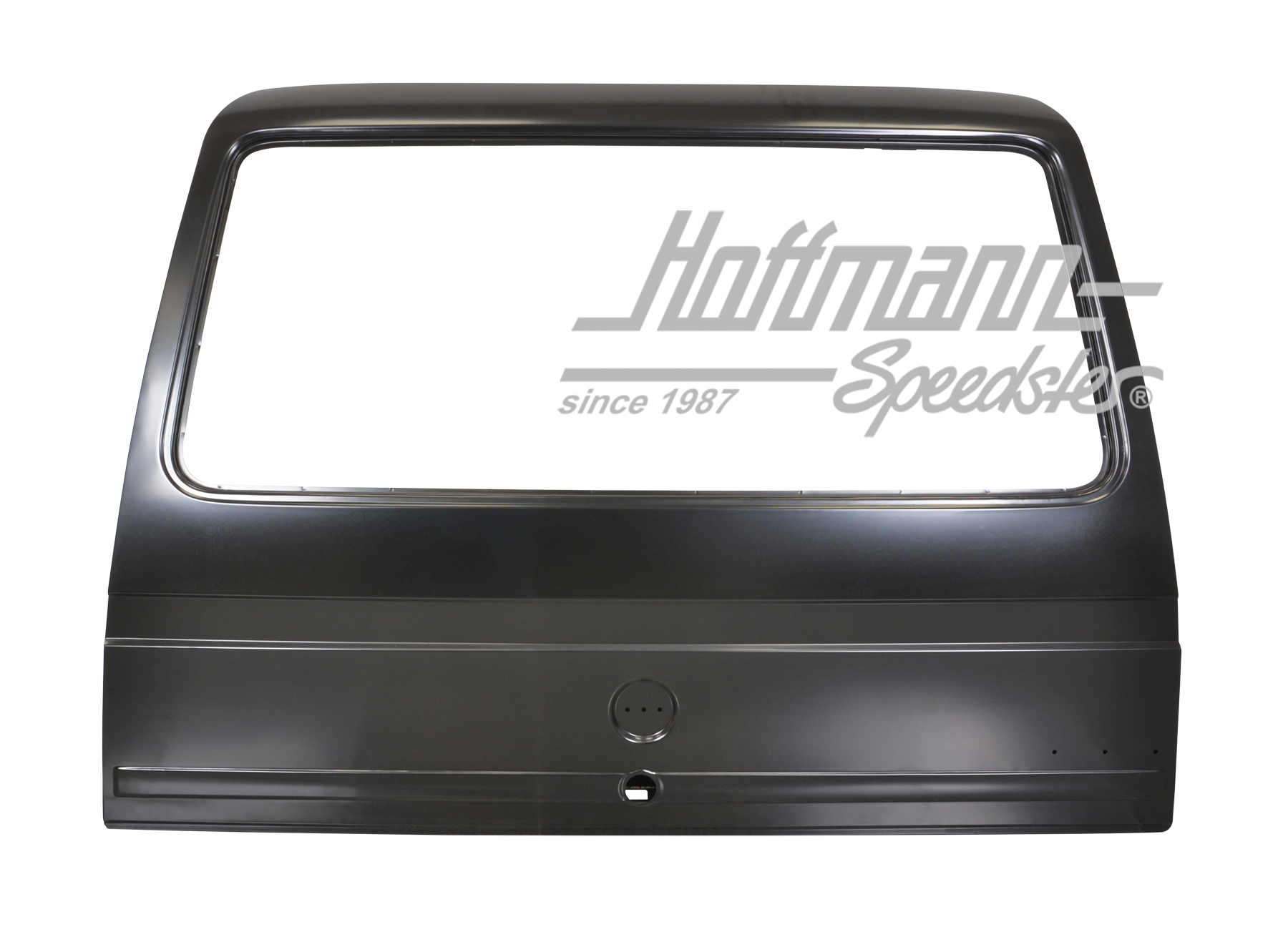
Ready for immediate shipment, delivery time: 1-3 days, abroad + bulky goods longer delivery time
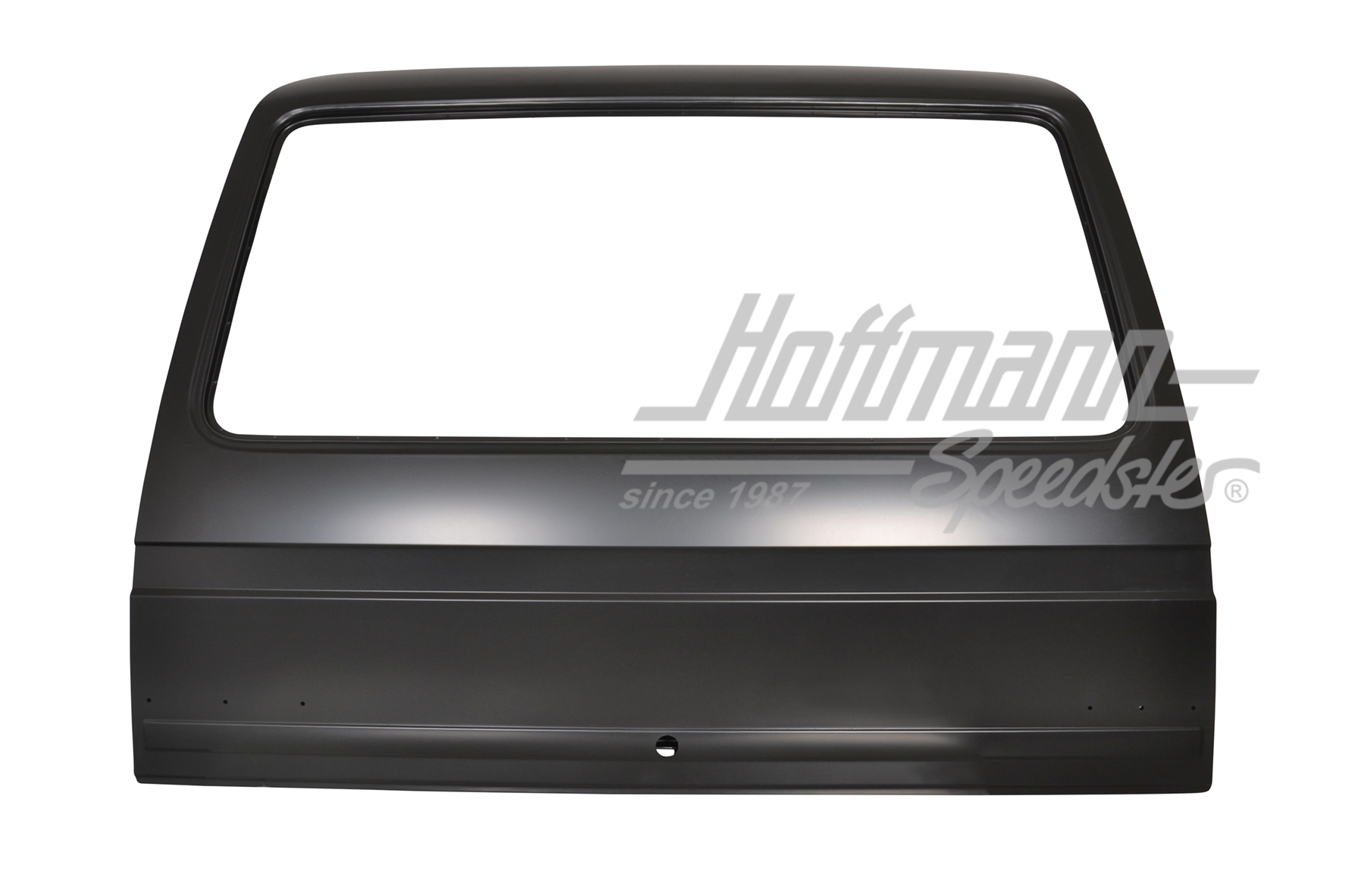
Ready for immediate shipment, delivery time: 1-3 days, abroad + bulky goods longer delivery time
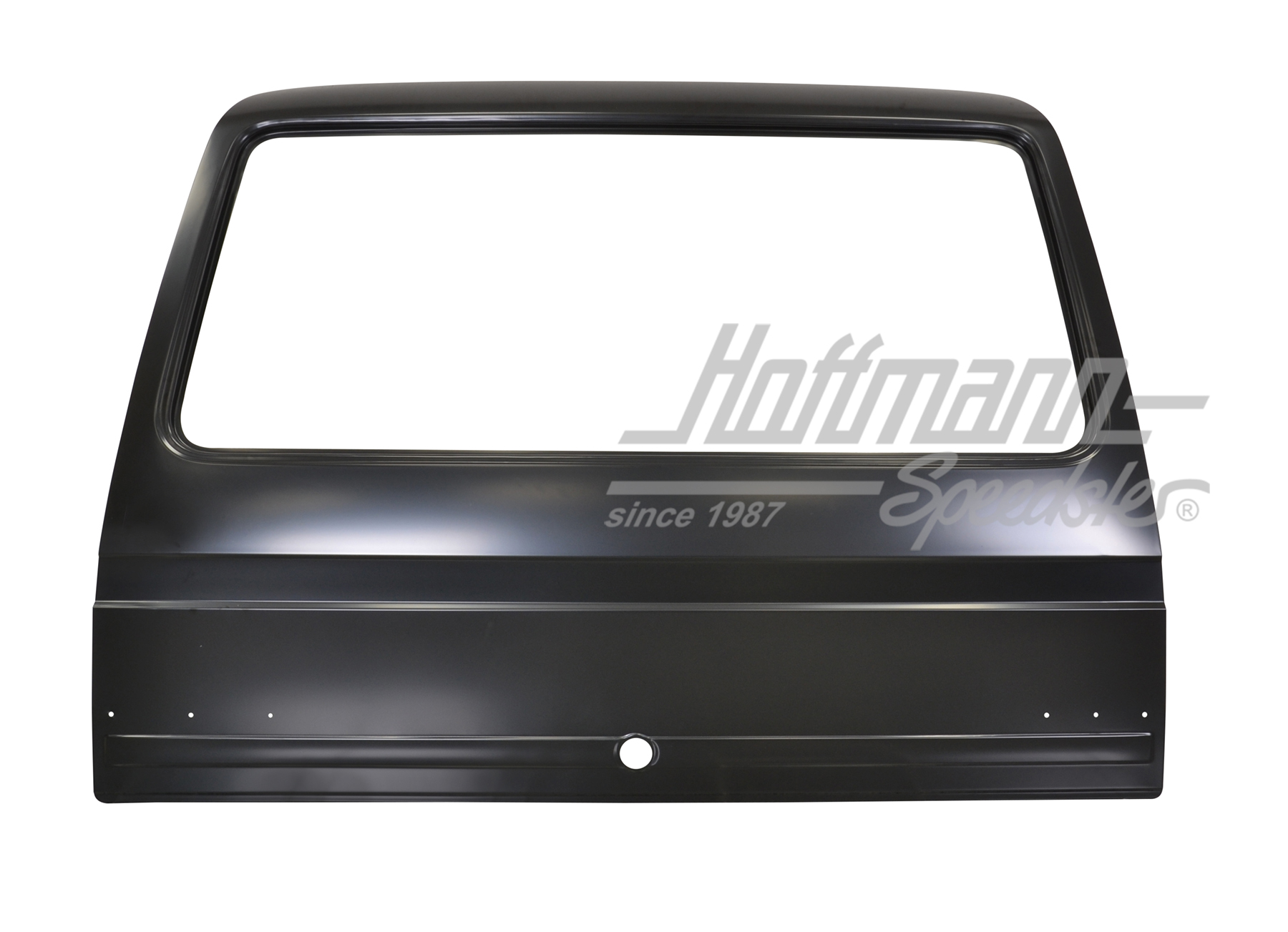
Ready for immediate shipment, delivery time: 1-3 days, abroad + bulky goods longer delivery time
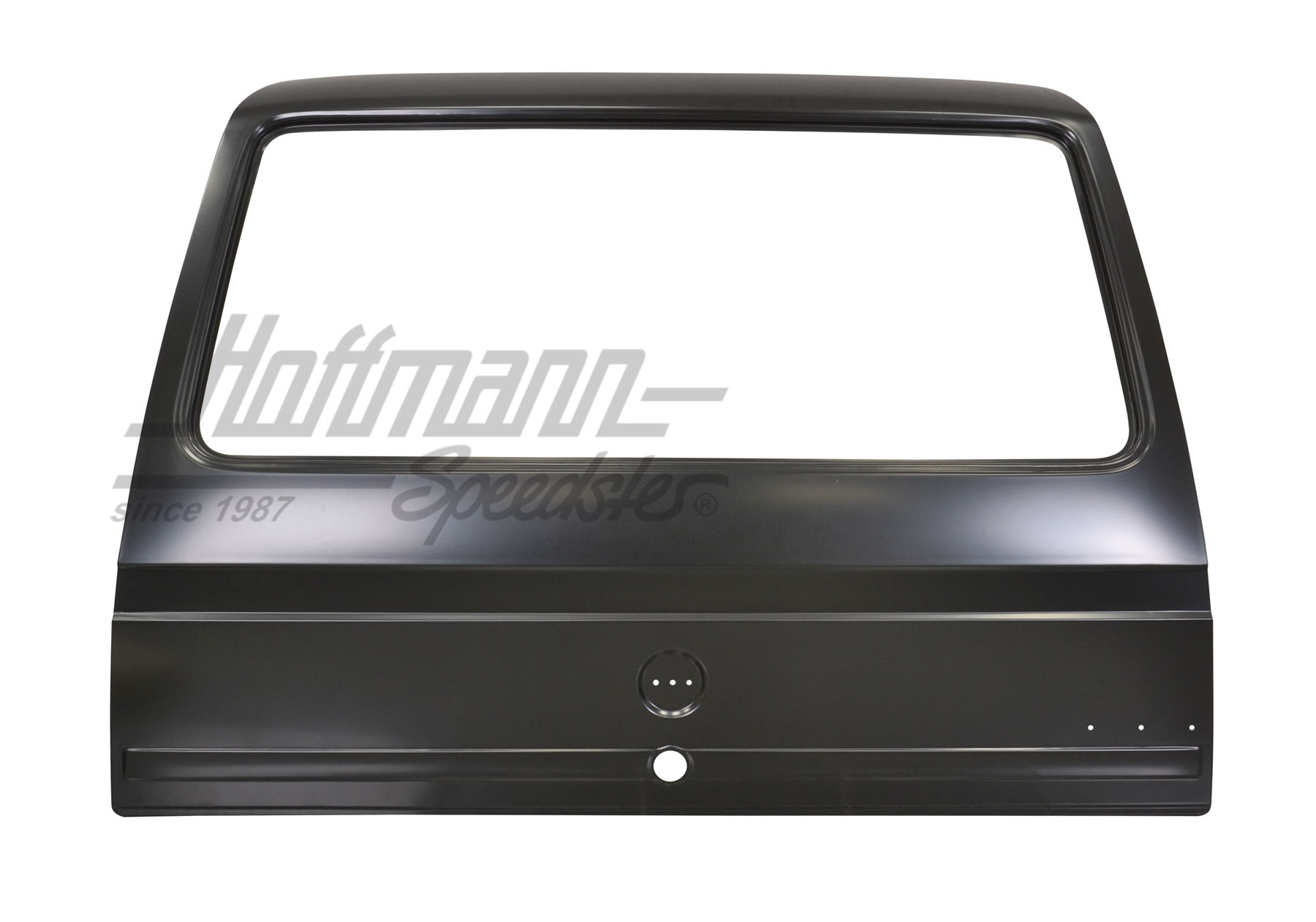
Ready for immediate shipment, delivery time: 1-3 days, abroad + bulky goods longer delivery time
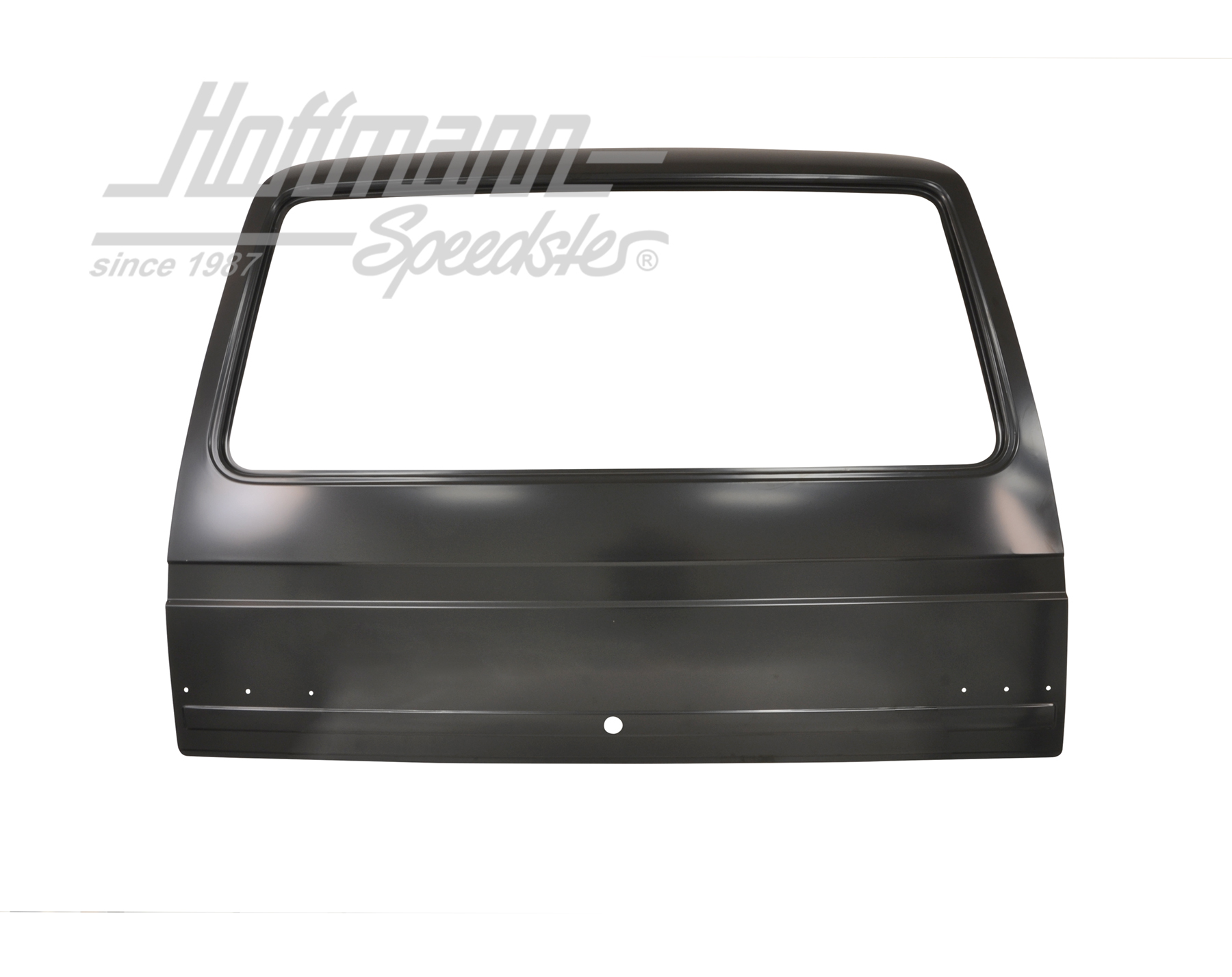
Ready for immediate shipment, delivery time: 1-3 days, abroad + bulky goods longer delivery time
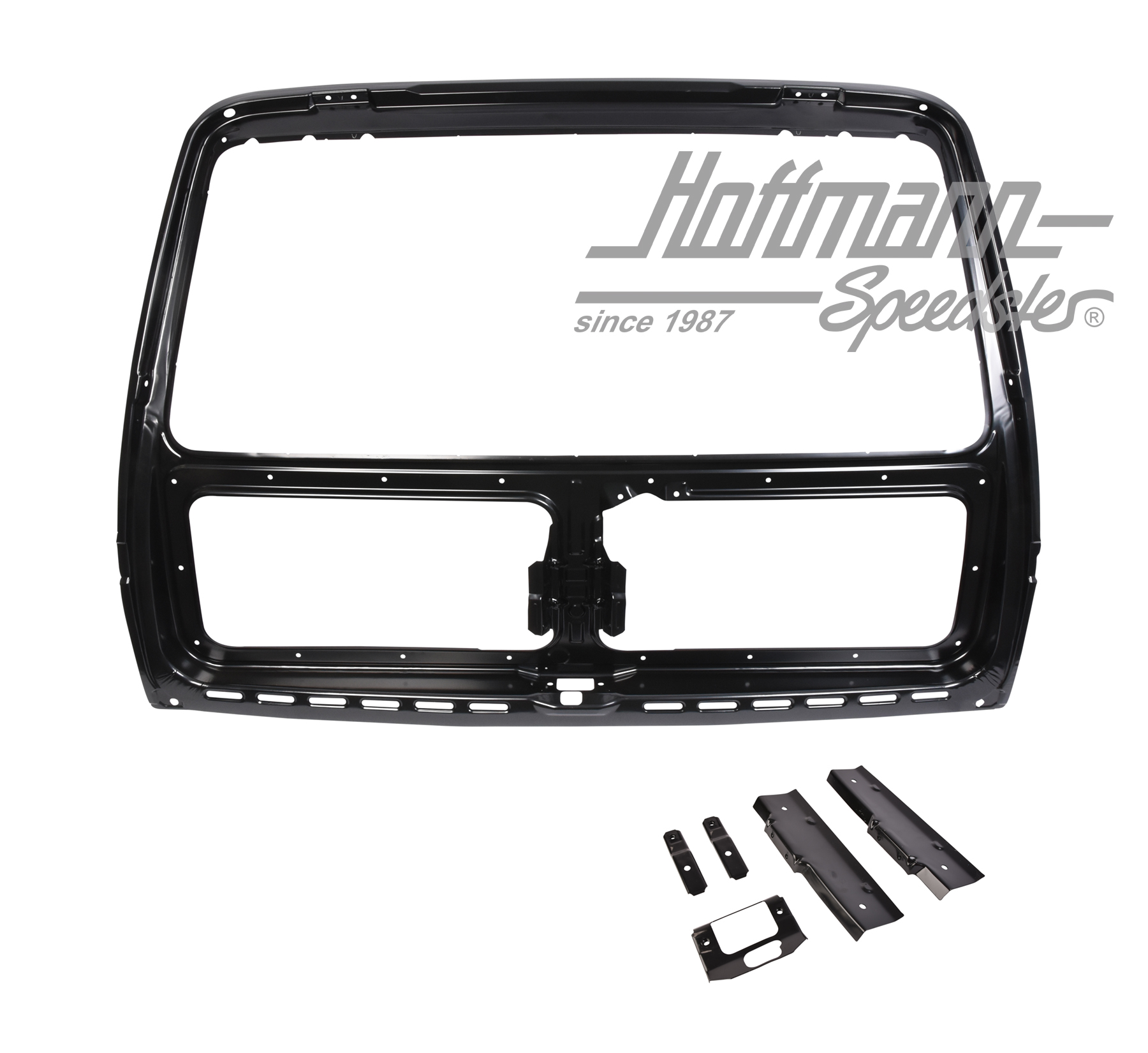
Ready for immediate shipment, delivery time: 1-3 days, abroad + bulky goods longer delivery time
Ready for immediate shipment, delivery time: 1-3 days, abroad + bulky goods longer delivery time
Ready for immediate shipment, delivery time: 1-3 days, abroad + bulky goods longer delivery time
Ready for immediate shipment, delivery time: 1-3 days, abroad + bulky goods longer delivery time
Ready for immediate shipment, delivery time: 1-3 days, abroad + bulky goods longer delivery time
Ready for immediate shipment, delivery time: 1-3 days, abroad + bulky goods longer delivery time
Ready for immediate shipment, delivery time: 1-3 days, abroad + bulky goods longer delivery time
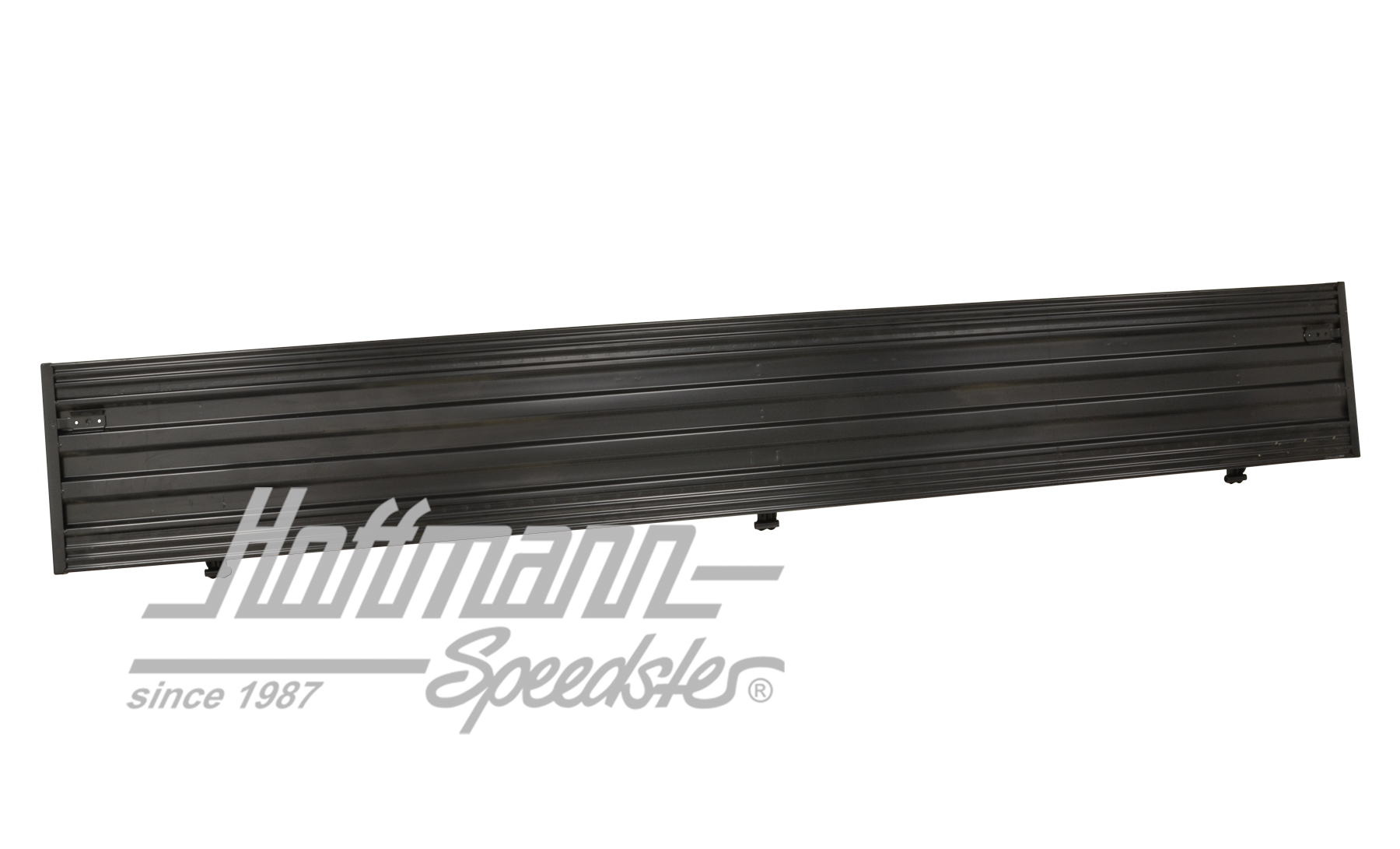
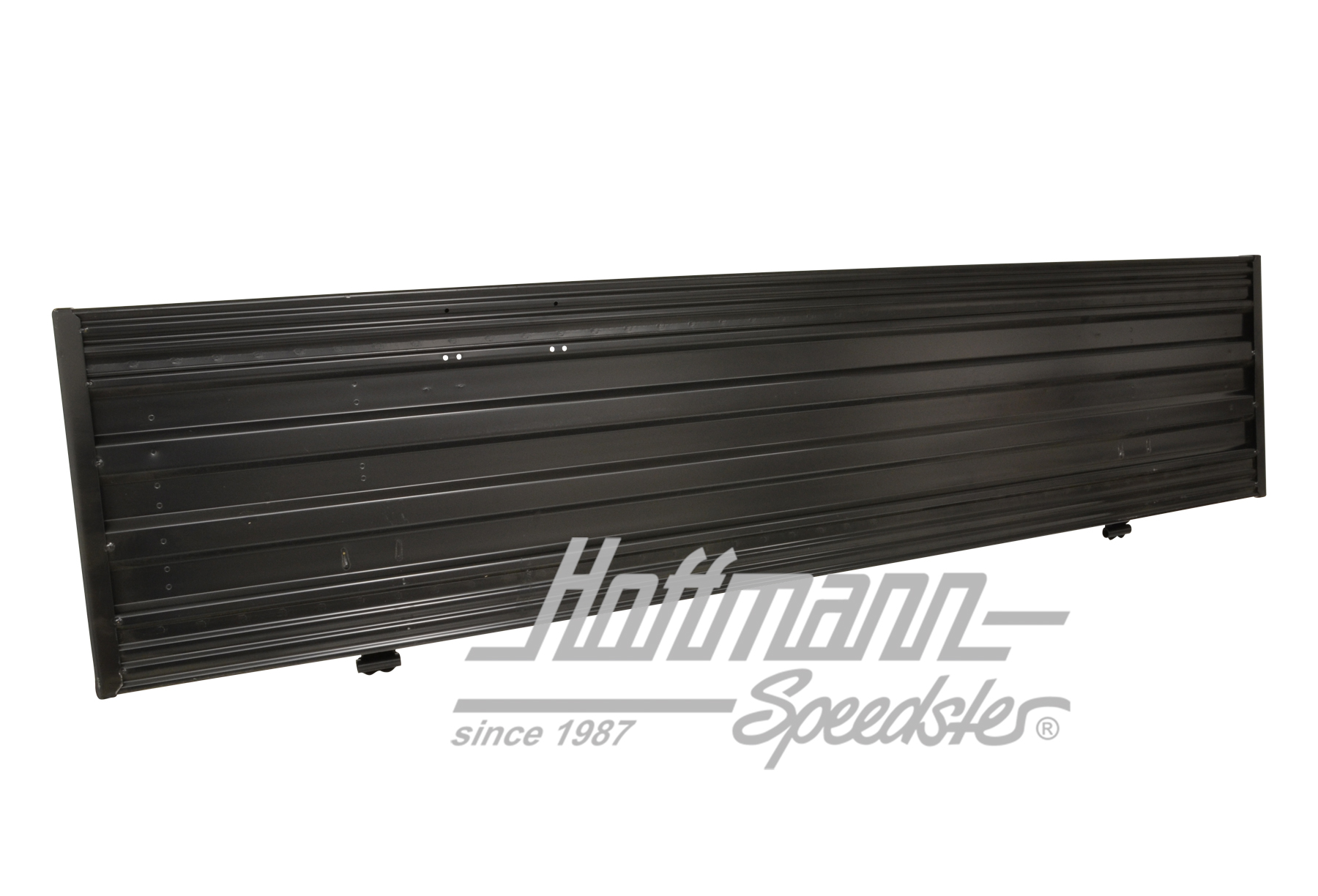
Rear hood for the Bus
Rear for VW Bus T3
The Rear category for the VW Bus T3 deals with upper and lower rear-hatch repair panels, inner reinforcements and associated tailgate sections. On an older vehicle, the right repair depends on the extent of corrosion and the actual body version. Even a small visible defect may hide weakened seams, folded edges or mounting areas. It is therefore worth assessing the surrounding metal before ordering a replacement part or removing a damaged section.
For a reliable selection, consider year of manufacture, lock-hole dimensions, hatch design and exact damaged area. Parts that look alike are not automatically interchangeable. Compare the information on the individual product page with the component fitted to the vehicle. This is particularly important on a T3 that may have undergone body repairs in the past. The existing construction matters more than a generic model description.
Why do suitable replacement parts matter?
Areas worth checking include rust around the window frame, weakened lower edges and damaged inner reinforcements. Moisture can remain between overlapping panels and cause damage that is not immediately visible on the outside. A reliable repair must address the surrounding joints as well as the affected surface. If load-bearing bodywork is involved, diagnosis, welding and dimensional checks should be handled by qualified specialists.
Planning also means looking at adjacent sections of the body. For related work, see Hoods; other repair locations are covered under Fenders. Both links lead to the same Bus T3 vehicle range. They help you find related parts but do not replace checking the specifications of each individual item.
When should you inspect the affected area?
Paint blisters, split sealant, deformation, damp seams and thinning sheet metal are warning signs. Not every small patch of surface rust calls for replacing a complete panel. However, if cleaning reveals weakened or perforated metal, a more detailed assessment is necessary. Hidden faces, joints and the area beneath nearby fittings should be examined before deciding how much metal to repair.
Before cutting, expose the damaged area and document its dimensions and mounting points. Aim to preserve sound surrounding material, compare the replacement contour and choose an appropriate joining method. Simply covering corrosion without removing its cause rarely produces a lasting result. The repair should also allow adequate protection of the inside of the affected section.
What matters during a proper repair?
Four practical checks help organise the work. They are not a substitute for vehicle-specific repair instructions:
- Define the damage: Inspect visible and hidden corrosion and neighbouring panels.
- Check fit: Compare contours, dimensions, fastenings and installation side.
- Prepare the work: Secure the body structure and choose suitable joining methods.
- Restore protection: Seal joints and protect exposed surfaces and cavities.
How can you choose the right version?
The objective is restoring rear hatch sections correctly. Always compare an offered part with the actual damage, construction details and production period. For wider repairs, the category Universal may provide useful related components. A similar product photograph or general catalogue title is not sufficient proof of compatibility.
The Rear section helps organise a focused search for parts concerning the VW Bus T3. If you are unsure about the body configuration, shape or fastening, consult the individual listing before ordering. This helps reduce unnecessary modifications and supports a carefully planned repair.
Frequently asked questions about Rear
What is covered by Rear?
This section covers upper and lower rear-hatch repair panels, inner reinforcements and associated tailgate sections. Always refer to the current description of the specific listed item.
What signs suggest a body repair may be necessary?
Possible signs include rust around the window frame, weakened lower edges and damaged inner reinforcements. Check neighbouring panels and hidden metalwork as well.
Do all parts fit every VW Bus T3?
No. Pay attention to year of manufacture, lock-hole dimensions, hatch design and exact damaged area. Production year, body version and location can differ.
What should be checked before installation?
Compare dimensions, body contour, the surrounding material and the intended joining points. Structural work requires professional assessment.
How can the repaired area be protected?
By sound preparation, correct joining, sealing of seams and suitable protection of exposed surfaces and cavities.