
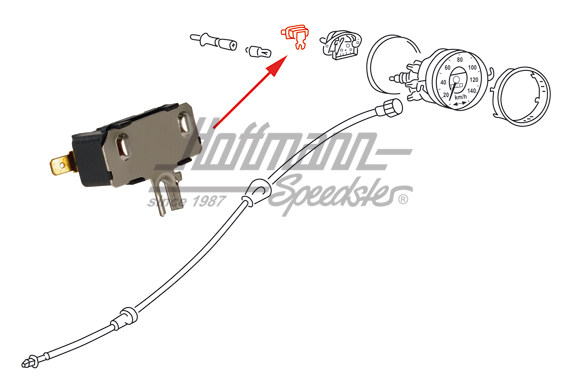
Ready for immediate shipment, delivery time: 1-3 days, abroad + bulky goods longer delivery time
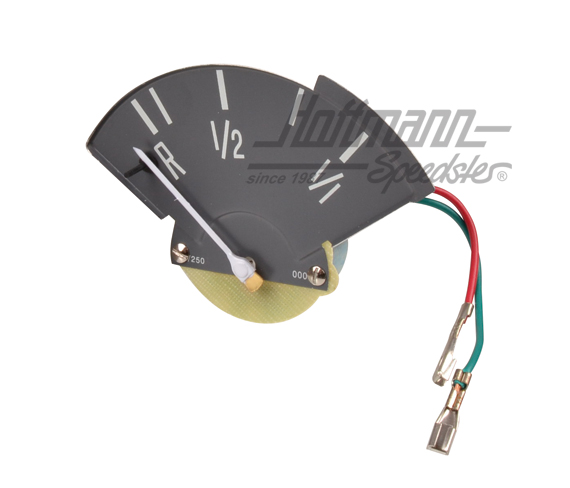
Ready for immediate shipment, delivery time: 1-3 days, abroad + bulky goods longer delivery time
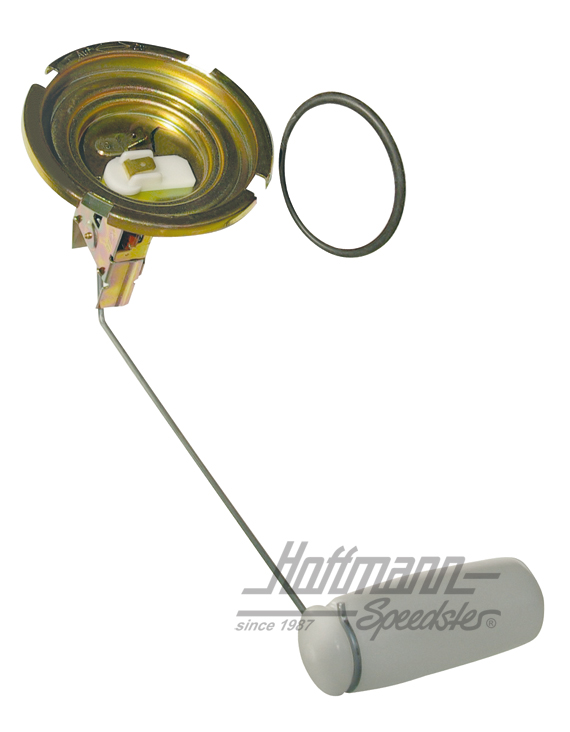
Ready for immediate shipment, delivery time: 1-3 days, abroad + bulky goods longer delivery time
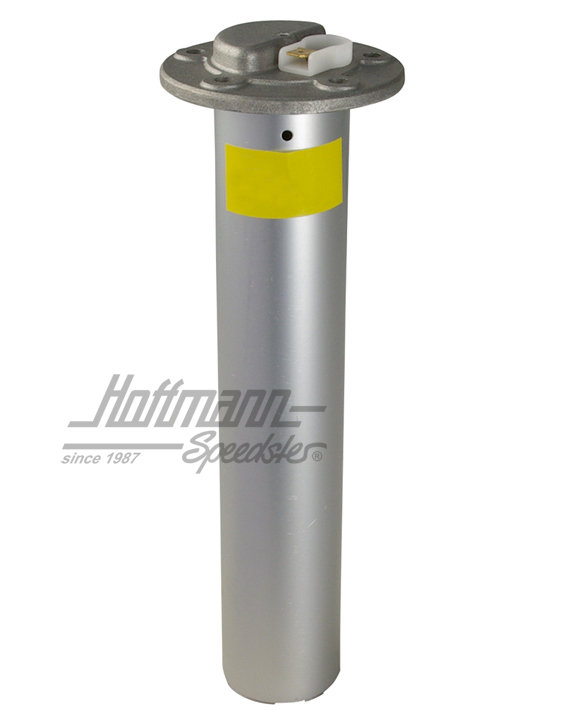
Ready for immediate shipment, delivery time: 1-3 days, abroad + bulky goods longer delivery time

Ready for immediate shipment, delivery time: 1-3 days, abroad + bulky goods longer delivery time
Add-on parts for the fuel sender of a Bus
Fuel tank sender, add-on-parts for the VW Bus T2 – reliably detecting the fuel level
Fuel tank sender, add-on-parts perform an important task within the fuel gauge system of the VW Bus T2. The fuel tank sender detects the level inside the fuel tank and supplies the corresponding electrical signal for the gauge in the cockpit. For the fuel gauge to operate reliably, the sender, electrical connections and associated installation parts must work correctly together. In addition to the fuel tank sender itself, seals, fastening elements and electrical contacts are therefore important. On a classic vehicle, ageing, corrosion or wear can impair the operation of individual components. If the fuel gauge displays unusual values, not only the gauge but also the fuel tank sender and its add-on parts should be inspected.
Why are Fuel tank sender, add-on-parts important for the VW Bus T2?
The fuel tank sender provides the connection between the actual fuel level in the tank and the gauge in the dashboard area. As the fuel level changes, the sender detects this change and influences the electrical signal for the fuel gauge. This allows you to estimate how much fuel remains in the tank while driving. Reliable operation requires not only the sender itself but also sound electrical contacts and connections. At the same time, the components required for installation must be correctly positioned. A fault within this system can cause the gauge to display incorrect values, remain permanently in one position or react in an inconsistent manner.
When should I check or replace Fuel tank sender, add-on-parts?
You should inspect Fuel tank sender, add-on-parts if the fuel gauge no longer reacts plausibly, fluctuates significantly or permanently displays an incorrect fuel level. A complete failure of the gauge can also require inspection of the fuel tank sender, wiring and electrical connections. First determine whether the cause actually lies with the sender or another component of the gauge system. When working on the fuel tank sender, you should also check the condition of the seal and fastening. Damaged or aged components should not simply be reused. There is no general replacement interval – operation, condition and careful fault diagnosis are decisive.
What should I consider with Fuel tank sender, add-on-parts?
When servicing or replacing Fuel tank sender, add-on-parts, work particularly carefully because the sender is located directly at the fuel tank and both mechanical and electrical components are involved.
- Check the fuel tank sender: Inspect the sender for visible damage and, in the event of a malfunction, also check the other components of the fuel gauge system.
- Inspect electrical connections: Check for correct connections as well as corrosion, damaged wiring or loose contacts.
- Check seal and fastening: Carefully inspect the components required for installation and make sure they are correctly positioned.
- Compare the version: Consider production period, tank version, electrical connections and the specific product information for your VW Bus T2.
Work on the fuel system requires particular care. Before removal, it is also advisable to document connections and installation position. This makes it easier to reinstall the sender and associated components clearly and correctly afterwards.
Which Fuel tank sender, add-on-parts fit my VW Bus T2?
Which Fuel tank sender, add-on-parts are suitable for your VW Bus T2 depends on the vehicle version and the existing components. Particularly important are the design of the fuel tank sender, electrical connections, fastening and sealing. Since versions can differ depending on production period and vehicle configuration, carefully compare the existing component with the respective product information. Correct identification is also important when replacing small add-on parts. Only when the fuel tank sender, connection and fuel gauge are technically compatible can the fuel level be reliably detected and displayed accordingly in the cockpit.