
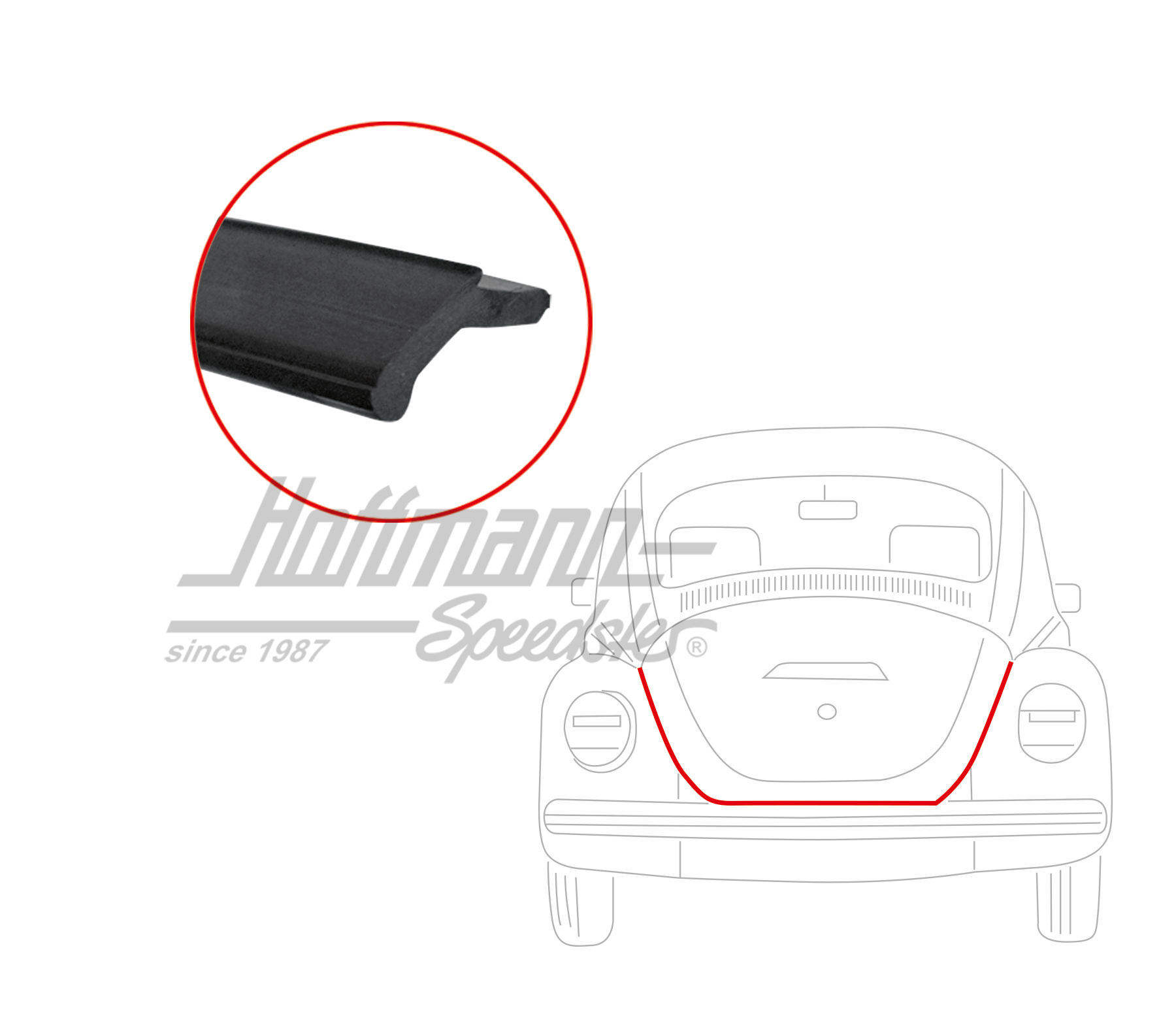
Engine-hood seal, 12.47-
€5.50*
Product number:
020-5103
Ready for immediate shipment, delivery time: 1-3 days, abroad + bulky goods longer delivery time
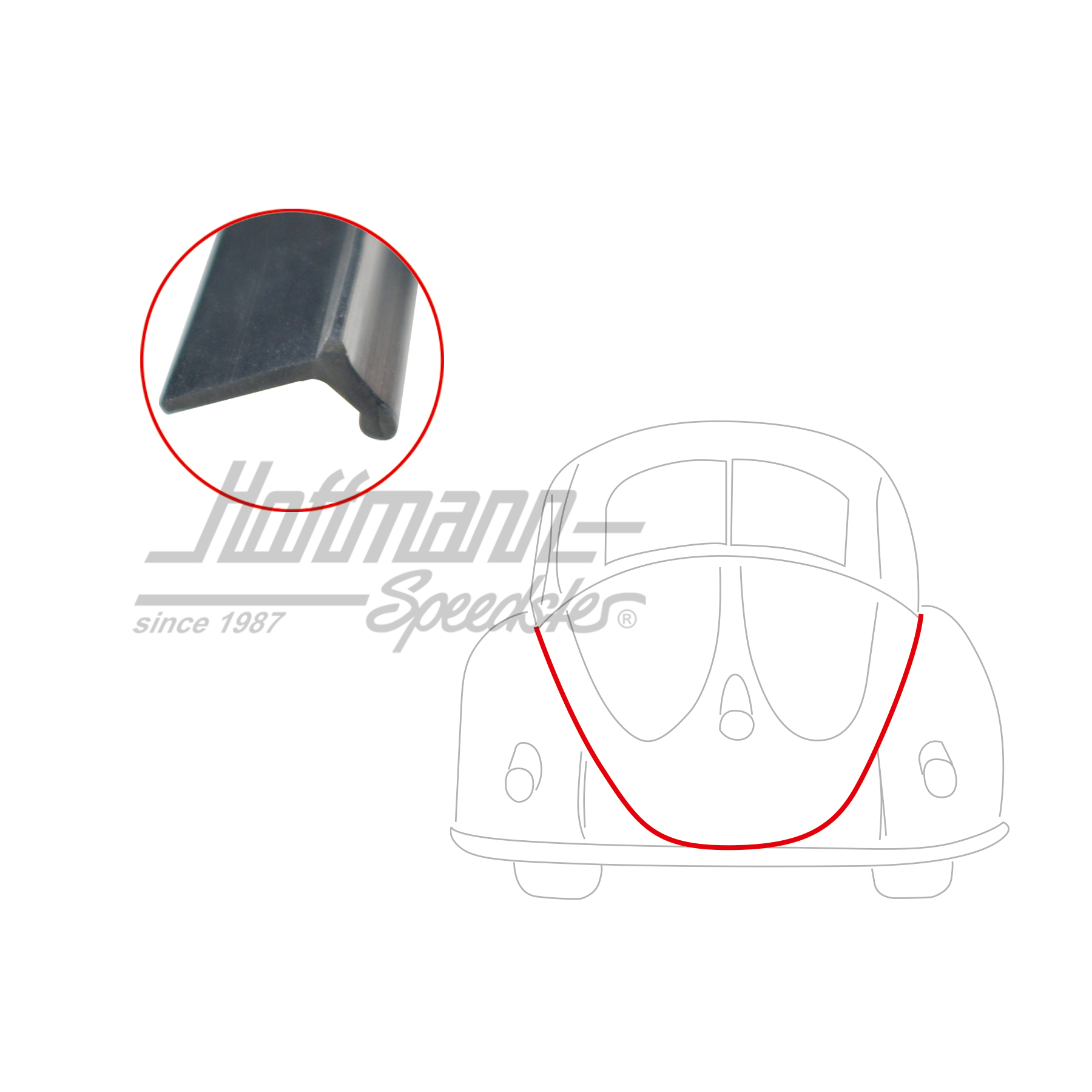
Engine-hood seal, 12.47-7.66, Germany
€7.90*
Product number:
020-5103-06
Ready for immediate shipment, delivery time: 1-3 days, abroad + bulky goods longer delivery time
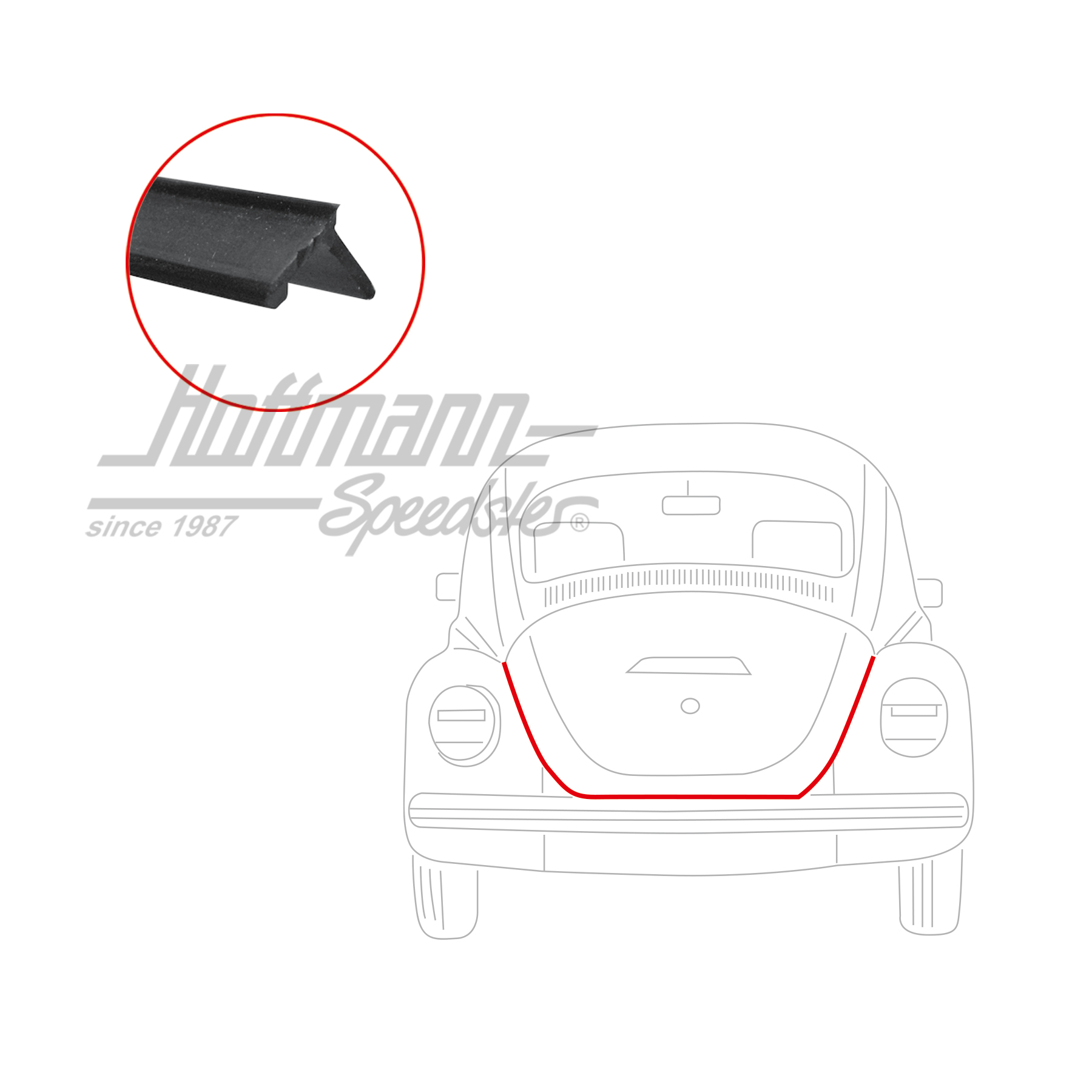
Engine-hood seal, 8.66-, Germany
€7.90*
Product number:
020-5103-07
Ready for immediate shipment, delivery time: 1-3 days, abroad + bulky goods longer delivery time
In-house production
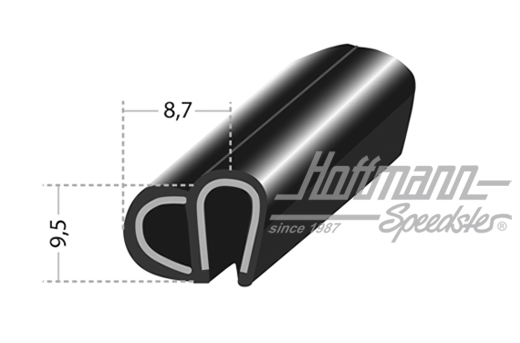
Hood seal "Mexico", front and rear, per meter
€4.50*
Product number:
020-5104
Ready for immediate shipment, delivery time: 1-3 days, abroad + bulky goods longer delivery time
Motorhaubendichtungen für den Beetle
Engine lid seals for the VW Beetle – reliable protection for your air-cooled classic
Engine lid seals for the VW Beetle are small and often overlooked parts, yet they are indispensable when it comes to protecting your classic from moisture, dirt, and unnecessary noise. Especially on the Beetle, with its rear-mounted engine and unique body construction, proper sealing of the engine lid plays a crucial role. It ensures that no moisture enters, the engine bay stays clean, and the Beetle retains its characteristic, pleasantly muted sound. In this category, you’ll learn why engine lid seals for the VW Beetle are so important, when they should be replaced, and how to install them correctly.Why engine lid seals for the VW Beetle are so important
The rear engine compartment of the Beetle is exposed to constant stress. Water, dust, heat, and vibrations all affect the seal and cause it to age over time. Once engine lid seals for the VW Beetle become brittle or cracked, moisture can enter – often with costly consequences: corrosion, dirty engine components, or unwanted noises while driving.An intact seal ensures that the engine lid sits firmly, nothing rattles, and the Beetle preserves its valuable substance. It protects not only the engine itself but also the entire rear section from harmful external influences.
When should I replace engine lid seals for the VW Beetle?
Wear becomes noticeable through several clear signs:– the seal is hardened, cracked, or crumbling
– the engine lid no longer closes properly
– moisture enters the rear compartment
– driving noises seem louder than usual
If any of these symptoms appear, it’s time for new engine lid seals for the VW Beetle. Since the seals usually age uniformly, replacement is often the best solution to ensure long-term quietness, dryness, and stability.
How to properly install engine lid seals for the VW Beetle
For optimal sealing, the old seal must be completely removed first. Afterwards, thoroughly clean the contact surfaces so the new seal can adhere perfectly. When installing fresh engine lid seals for the VW Beetle, make sure to apply them evenly and without tension, avoiding overstretching the material.Correctly installed, the engine lid and seal sit tightly together, eliminating rattling noises, keeping the engine bay clean, and noticeably improving the overall driving experience of your Beetle.
Engine lid seals for the VW Beetle – essential for preservation and driving comfort
Whether you’re restoring your Beetle or driving it regularly, engine lid seals for the VW Beetle play a key role in keeping your classic protected, clean, and mechanically sound. They prevent follow-up damage and help maintain the Beetle’s legendary vintage character.With high-quality seals, a bit of skill, and a genuine love for air-cooled engineering, you give your Beetle exactly what it deserves: a properly sealed engine compartment, fewer noises, and a touch of reliable originality.