

Ready for immediate shipment, delivery time: 1-3 days, abroad + bulky goods longer delivery time

Ready for immediate shipment, delivery time: 1-3 days, abroad + bulky goods longer delivery time

Ready for immediate shipment, delivery time: 1-3 days, abroad + bulky goods longer delivery time

Ready for immediate shipment, delivery time: 1-3 days, abroad + bulky goods longer delivery time

Ready for immediate shipment, delivery time: 1-3 days, abroad + bulky goods longer delivery time

Ready for immediate shipment, delivery time: 1-3 days, abroad + bulky goods longer delivery time

Ready for immediate shipment, delivery time: 1-3 days, abroad + bulky goods longer delivery time

Ready for immediate shipment, delivery time: 1-3 days, abroad + bulky goods longer delivery time
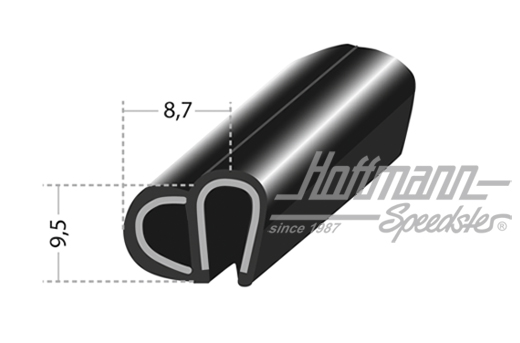
Ready for immediate shipment, delivery time: 1-3 days, abroad + bulky goods longer delivery time
Bonnet seals for the VW Beetle
Front hood seals for VW Beetle
Front hood seals for the VW Beetle are an essential component when it comes to protecting your vintage car from moisture, drafts and unwanted noises. The front hood – traditionally the area for the trunk, spare wheel and electrical system – requires reliable sealing to keep everything dry, clean and protected.
In this category, we show you why front hood seals for the VW Beetle are so important, which signs indicate wear and what to keep in mind during replacement. The front section of the Beetle is exposed to constantly changing influences: rainwater, wind, road debris and strong temperature fluctuations all affect the seal.
Understanding the component group
Once front hood seals for the VW Beetle become brittle or develop cracks, moisture enters the trunk area – and this can lead to rust, unpleasant odors or damaged components. An intact seal ensures that the hood closes firmly, no air blows in and the typical Beetle comfort is preserved.
It is a small but indispensable element for value retention, function and the unmistakable vintage driving feeling. Several signs clearly indicate wear: – the seal is hard, brittle or cracked – the hood no longer closes properly – moisture collects inside the trunk area – wind noise becomes noticeably louder If you notice any of these symptoms, it is time to install new front hood seals for the VW Beetle.
Inspecting condition and differences
Since these components usually age evenly, a complete replacement often makes sense to ensure long-lasting protection and proper sealing. Begin by removing the old seal completely and thoroughly cleaning the contact surface. Afterwards, the new seal can be inserted cleanly along the designated guide.
Four checks before selecting a part
The rule is: do not stretch, do not compress, but align precisely. Correctly installed front hood seals for the VW Beetle ensure that the hood fits perfectly, no water enters and the interior of the front trunk remains dry and protected – whether you drive your Beetle daily or only take it out on sunny days.
A Beetle lives from its charming simplicity – and good sealing is part of that. Front hood seals for the VW Beetle protect against moisture, keep the interior pleasantly quiet and preserve the structural integrity of this special classic.
- Record the installation position and the actual part fitted to the vehicle.
- Compare dimensions, connections and fixing points with the product details.
- Check related parts and any additional accessories before ordering.
- Use qualified assistance for safety-critical installation work.
Choosing suitable components
With high-quality seals, a bit of craftsmanship and true enthusiasm for air-cooled engineering, you help your Beetle remain exactly what it has always been: reliable, full of character and wonderfully timeless. Explore related parts and component groups in .
For related parts, see Seals and Glazing.
Frequently asked questions: Front hood seals
How do I identify the right Front hood seals version for my Beetle?
Compare the exact vehicle variant and the existing component with the individual product information. Mounting position, connections and fixing points may differ.
Is the category name alone enough to select a part?
No. The category helps with navigation but does not confirm compatibility. Always check dimensions, specifications and fitment information.
What should I check before ordering?
Check the installation location, existing markings, fittings and any additional parts required, where these details are relevant to the component.
What if my classic car has been modified or repaired before?
Use the parts actually installed as your reference. Previous repairs or modifications may mean the original equipment details no longer match.
What can I do if I am unsure about the fit?
Prepare the vehicle details, photos and measurements or part numbers when available. Confirm compatibility before ordering and use qualified help for safety-critical work.