
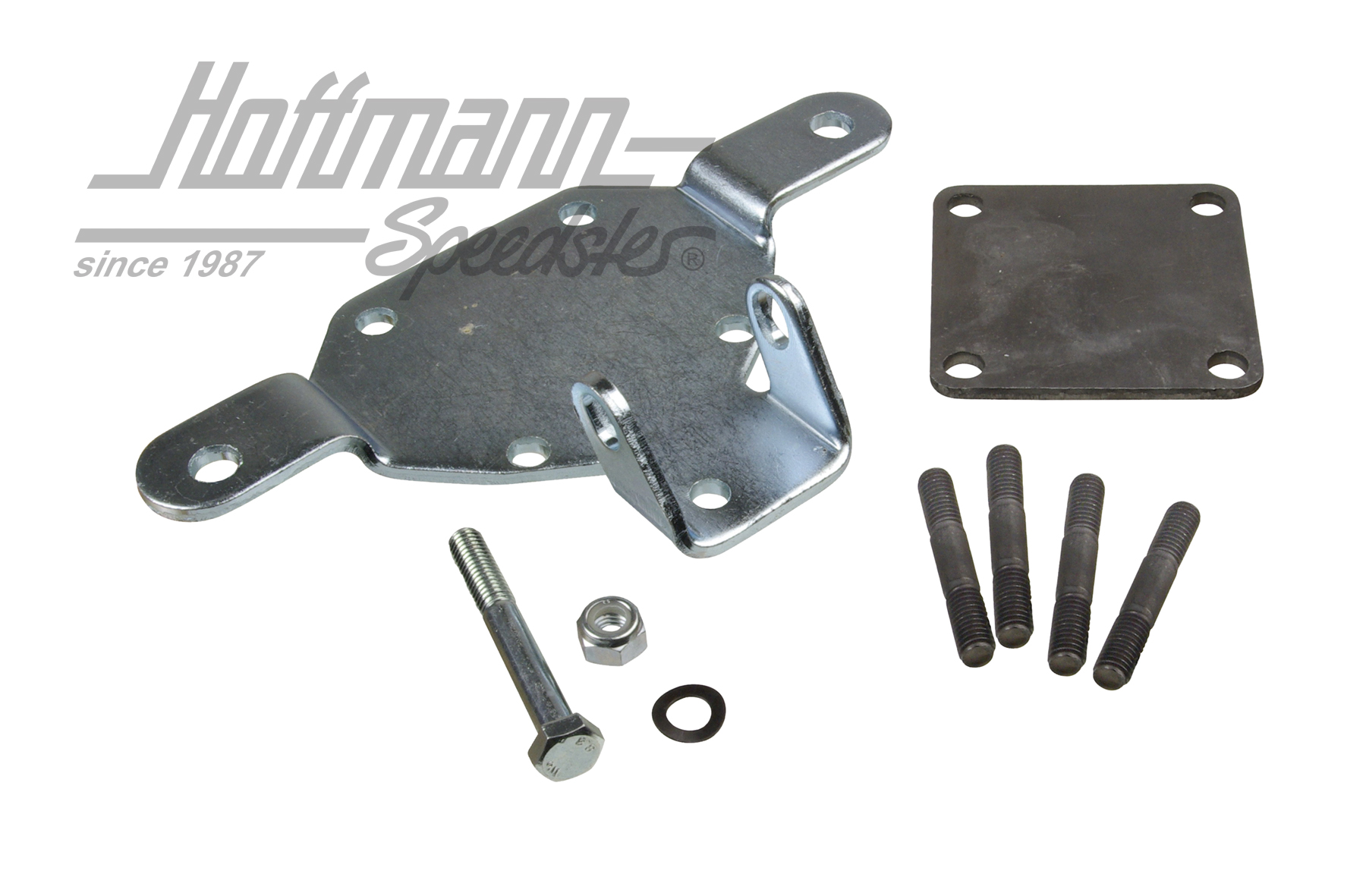
Ready for immediate shipment, delivery time: 1-3 days, abroad + bulky goods longer delivery time
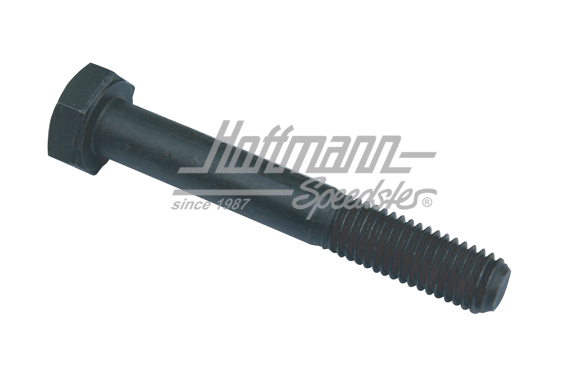
Ready for immediate shipment, delivery time: 1-3 days, abroad + bulky goods longer delivery time
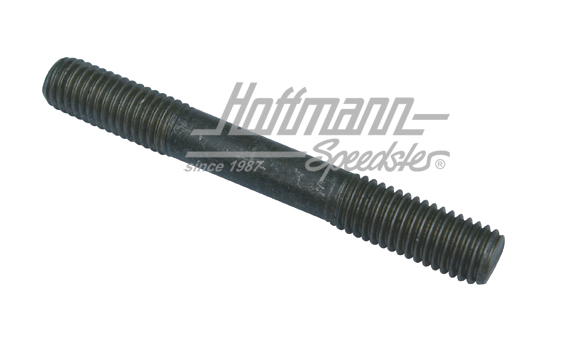
Ready for immediate shipment, delivery time: 1-3 days, abroad + bulky goods longer delivery time
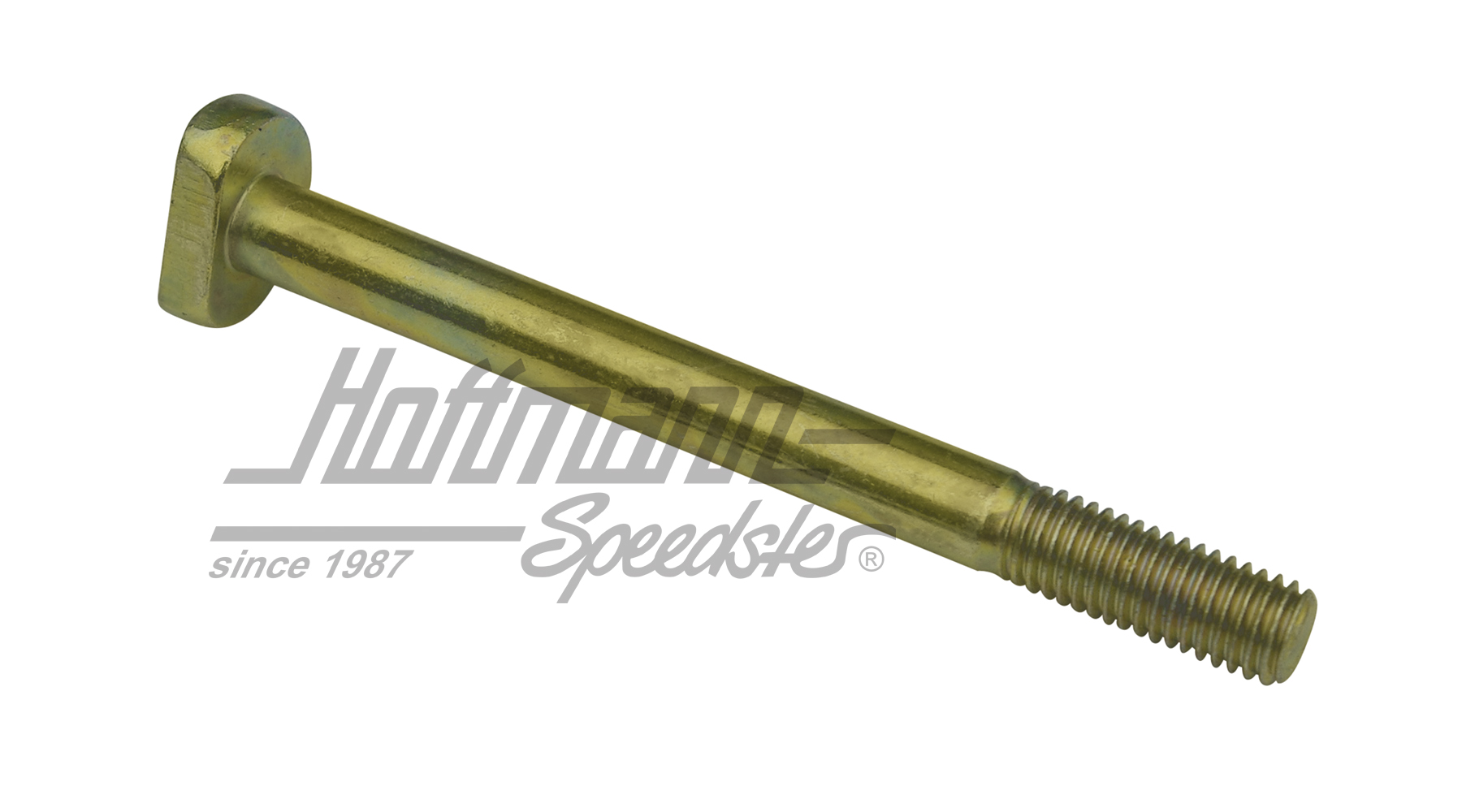
Ready for immediate shipment, delivery time: 1-3 days, abroad + bulky goods longer delivery time
Ready for immediate shipment, delivery time: 1-3 days, abroad + bulky goods longer delivery time
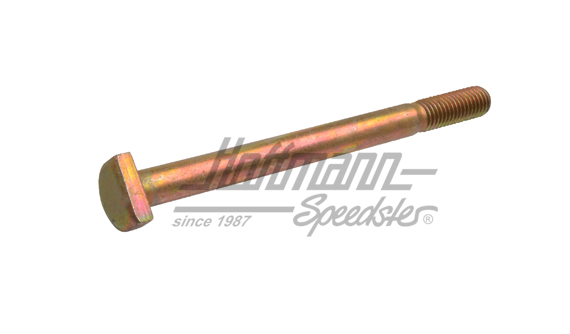
Engine mount for the VW Beetle
Engine suspension for VW Beetle
The VW Beetle has long since become an icon of automotive history, as well as a technical masterpiece in its simple design. One crucial component, usually hidden during driving but essential for comfort, durability, and safety, is the engine mounting of the VW Beetle.
In the VW Beetle, the air-cooled boxer engine sits in the rear. To ensure it remains stable and vibration-free while connected to the transmission and body, the engine mounting comes into play. It consists of special rubber mounts that both secure the engine and absorb vibrations and shocks.
Understanding the component group
The engine mounting keeps the engine safely in place, even at high revs or during abrupt driving. It also reduces vibrations that would otherwise be transmitted directly into the body. And equally important: the engine mounting protects the transmission and prevents consequential damage caused by excessive strain.
Many VW Beetles are now vintage cars, which means wear parts are increasingly coming into focus. With the engine mounting, aging is most noticeable in cracked rubber mounts. This can lead to issues such as knocking noises at the rear, noticeable vibrations in the cabin, or rough gear shifts.
Inspecting condition and differences
In extreme cases, the engine or transmission may even sit crooked. Fortunately, the engine mounting of the VW Beetle is relatively easy to repair. Replacement mounts are available from various manufacturers, both in original-style rubber and in modern, reinforced materials for sporty setups.
When replacing parts, it’s important to ensure high quality and that the parts fit the exact model year of the Beetle. Anyone who wants to preserve their VW Beetle in the long term should always replace the mounting when overhauling the engine or transmission.
Four checks before selecting a part
This prevents future issues and guarantees the typically soft yet solid driving feel that makes the VW Beetle so unique. There are various spare parts available for the VW Beetle’s engine mounting. Particularly popular are original-style rubber mounts, which preserve the Beetle’s classic driving comfort and smoothness.
Drivers with a sportier style often choose reinforced engine and transmission mounts made from modern materials, which provide greater stability and absorb vibrations more effectively. What’s crucial is that the spare parts for the engine mounting are precisely matched to the Beetle’s model and year.
- Record the installation position and the actual part fitted to the vehicle.
- Compare dimensions, connections and fixing points with the product details.
- Check related parts and any additional accessories before ordering.
- Use qualified assistance for safety-critical installation work.
Choosing suitable components
Only then can the authentic driving characteristics be maintained while ensuring the long-term protection of the engine and transmission. Explore related parts and component groups in .
For related parts, see Engine and Exhaust, Heating, Tank.
Frequently asked questions: Engine suspension
How do I identify the right Engine suspension version for my Beetle?
Compare the exact vehicle variant and the existing component with the individual product information. Mounting position, connections and fixing points may differ.
Is the category name alone enough to select a part?
No. The category helps with navigation but does not confirm compatibility. Always check dimensions, specifications and fitment information.
What should I check before ordering?
Check the installation location, existing markings, fittings and any additional parts required, where these details are relevant to the component.
What if my classic car has been modified or repaired before?
Use the parts actually installed as your reference. Previous repairs or modifications may mean the original equipment details no longer match.
What can I do if I am unsure about the fit?
Prepare the vehicle details, photos and measurements or part numbers when available. Confirm compatibility before ordering and use qualified help for safety-critical work.